



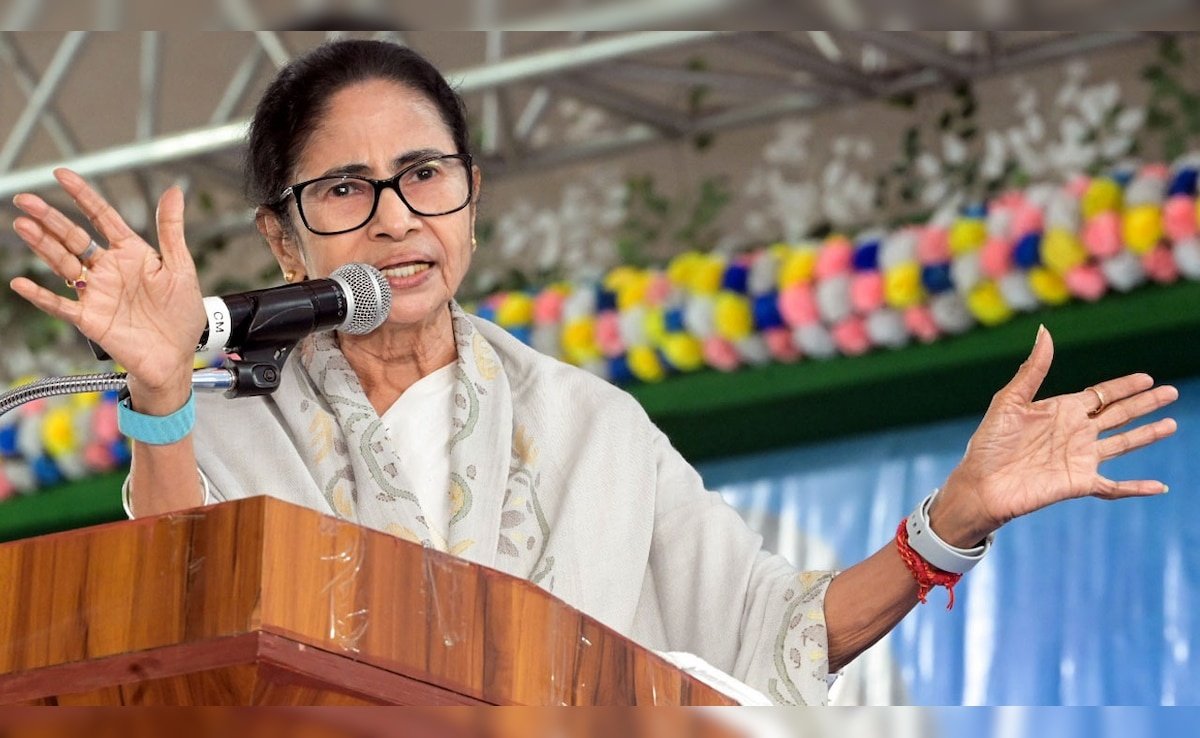
KOLKATA/NEW DELHI – West Bengal has plunged into a profound constitutional crisis after Governor RN Ravi officially dissolved the State Legislative Assembly, effective May 7, 2026. The move came late Thursday evening following outgoing Chief Minister Mamata Banerjee’s unprecedented refusal to step down from her post, despite the expiration of the Assembly’s term.
The Governor’s Stroke of the Pen
Invoking Article 174(2)(b) of the Constitution, the Raj Bhavan issued a terse, single-line notification ending the tenure of the House. The dissolution effectively strips the current government of its institutional standing.
The crisis stems from the Trinamool Congress (TMC) chief’s persistent allegations of “wrongdoing” and electoral malpractice during the recently concluded Assembly polls. By refusing to tender her resignation, Banerjee has set the stage for a high-stakes legal and political confrontation.
The Legal Reality: No “Viable Option” to Stay
Legal experts suggest that Banerjee’s defiance may be more symbolic than legally sustainable. Speaking to NDTV, Swapnil Tripathi, Lead at the Vidhi Centre for Legal Policy’s Constitutional Law Centre, clarified that the Chief Minister’s democratic legitimacy is tied directly to the Assembly.
-
The Caretaker Status: Under constitutional convention, an outgoing CM typically continues in a caretaker capacity only at the Governor’s request.
-
End of Mandate: “Dissolution forecloses any claim to continue in office as a regular Chief Minister, since there is no House to which the government can be collectively responsible,” Tripathi explained.
-
The Next Step: The Governor now holds the discretion to manage the transitional phase until a new leader, commanding a majority of the newly elected MLAs, is invited to form the government.
The Road to the Courts
With the Assembly dissolved, Mamata Banerjee’s battle moves from the Secretariat to the Judiciary. Experts note that her only remaining legal avenues are:
-
Election Petitions: Under the Representation of the People Act (1951), the TMC must challenge specific constituency results in the High Court, proving statutory violations.
-
Constitutional Challenges: The party may seek to contest the Governor’s actions, though precedent suggests the courts are wary of interfering with a Governor’s power to dissolve a House whose term has expired.
What Happens Now?
As it stands, Mamata Banerjee has no direct constitutional remedy to remain Chief Minister beyond a transitional arrangement. The focus now shifts to the newly elected members of the Assembly. If the Governor proceeds to invite a new claimant to form the government, any further refusal by Banerjee to vacate office could lead to a direct intervention by the Centre or a deeper judicial review of the Governor’s discretionary powers.
For now, Bengal remains a state with an expired Assembly, a dissolved House, and a Chief Minister who refuses to say goodbye.