



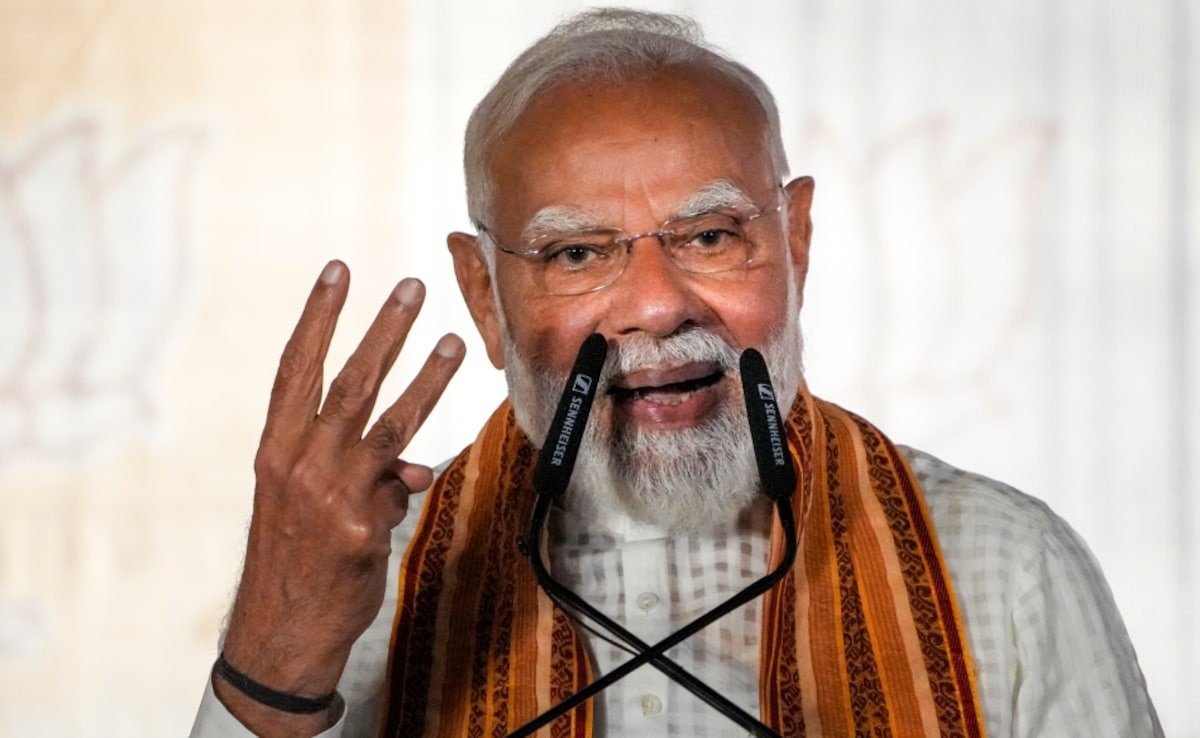
NEW DELHI – A political firestorm has erupted following Prime Minister Narendra Modi’s appeal for citizens to adopt strict austerity measures to buffer the Indian economy against the escalating Middle East crisis. High-ranking leaders from the Congress, Shiv Sena (UBT), and Trinamool Congress (TMC) have hit back, labeling the Prime Minister’s “Nation First” directives as a veiled admission of economic mismanagement.
The Prime Minister’s appeal, made during a speech in Hyderabad, urged Indians to revive Work From Home (WFH) arrangements, cut down on fuel and edible oil consumption, postpone foreign travel and destination weddings, and avoid gold purchases for at least a year to protect foreign exchange reserves.
“Proof of Failure”: Rahul Gandhi Leads the Charge
Opposition leaders were quick to categorize these requests as a shift of burden from the government to the common citizen.
-
Rahul Gandhi (Congress): In a blunt post on X, the Congress leader stated, “These aren’t sermons—these are proofs of failure,” arguing that the government is demanding sacrifices to mask its inability to insulate the economy.
-
Karti Chidambaram (Congress MP): Expressed alarm over the severity of the “directives,” demanding that Parliament be convened immediately to explain the “triggers” behind such drastic appeals.
-
K.C. Venugopal (Congress General Secretary): Accused the Centre of being “shameless and reckless” for failing to secure India’s energy interests despite months of global volatility.
Questions Over Forex and Hypocrisy
The Trinamool Congress raised concerns regarding the underlying health of India’s economy. MP Saket Gokhale questioned if the nation is secretly facing a balance of payments crisis. He also pointed out the perceived hypocrisy of the move, asking, “If ministers continue flying on Air Force aircraft… why should citizens alone be asked to sacrifice?”
Government in “High Alert” Mode
The political backlash comes as the Centre intensifies its contingency planning. An Informal Group of Ministers (IGoM), chaired by Defence Minister Rajnath Singh, is meeting today at 10:30 AM to review:
-
Fuel Supplies: Managing potential disruptions in global oil markets.
-
Shipping Routes: Protecting trade lines affected by the Iran conflict.
-
Inflation Control: Monitoring the rising costs of essential commodities.
The PM’s “Nation First” Checklist
To navigate what the government describes as unprecedented global uncertainty, the Prime Minister has asked for “collective participation” through several key actions:
-
Transport: Use public transit, switch to electric vehicles, and reduce petrol/diesel use.
-
Digital Shift: Prioritize WFH to reduce logistical pressure.
-
Financial Restraint: Avoid non-essential gold and foreign currency spending.
-
Agriculture: Reduce chemical fertilizer use in favor of natural farming.
-
Consumption: Lower usage of imported edible oils and prioritize “Made in India” products.
As the IGoM continues its fifth round of emergency meetings, the debate remains: is this a necessary call for national unity in a time of war, or an admission that the government’s economic buffers have run dry?