



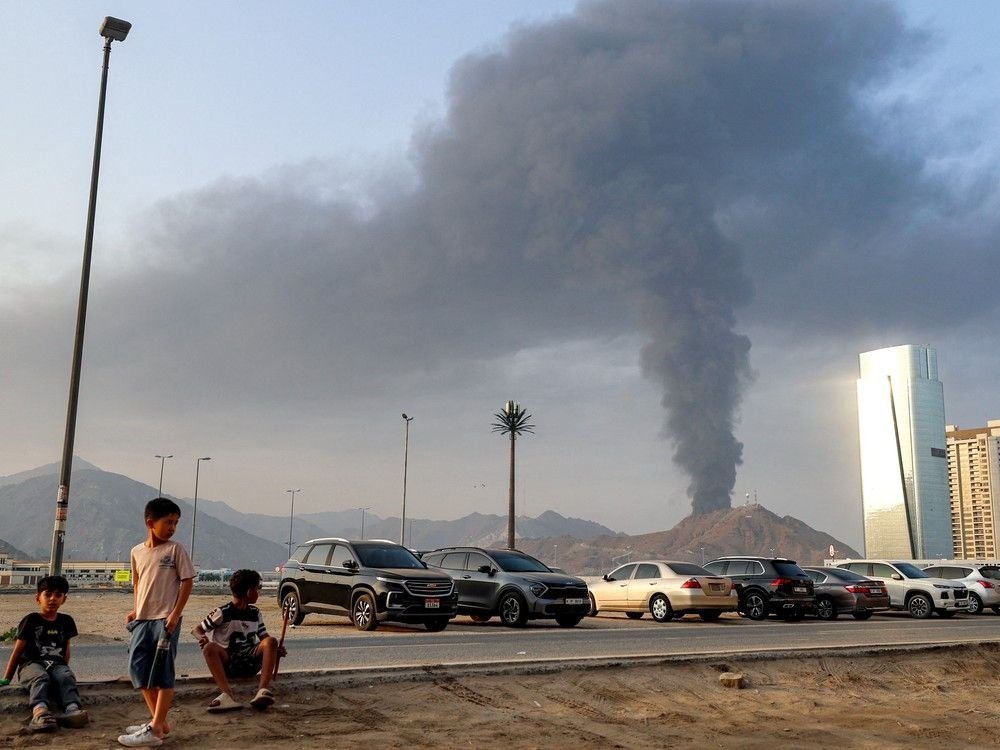
NEW DELHI: A explosive investigative report by The Wall Street Journal has revealed that the United Arab Emirates’ (UAE) military involvement in the United States-Israel conflict with Iran was far more extensive than previously estimated. Quoting individuals familiar with the matter, the report indicates that the UAE conducted dozens of independent airstrikes against Iranian territory, demonstrating a profound operational alignment within the US and Israeli-led air campaign.
The clandestine aerial operations reportedly commenced during the initial phases of the conflict and persisted until the implementation of the April ceasefire.
Targets and Strategic Intelligence Coordination
According to the report, the UAE’s offensive operations were heavily backed by critical intelligence inputs supplied by both Washington and Tel Aviv. The airstrikes purposefully targeted high-value Iranian military positions and economic assets across strategic maritime choke points:
-
Island Outposts: Multi-role fighter jets targeted Iranian installations on Qeshm and Abu Musa islands, positioned directly within the highly volatile Strait of Hormuz.
-
Logistics & Ports: Precision strikes hit infrastructure at the critical port city of Bandar Abbas.
-
Energy Infrastructure: Significant strikes were directed at the oil refinery on Lavan Island in the Persian Gulf and the massive Asaluyeh petrochemical complex.
The report notes that a section of these operations specifically targeted Iran’s energy grid as direct retaliation for Tehran’s recurring strikes against the UAE’s domestic oil and gas infrastructure. Notably, the high-profile strike on the Asaluyeh complex drew intense international backlash, eventually prompting the United States to pressure Israel to cease targeting energy facilities.
Retaliatory Barrages: Why the UAE’s Stance Hardened
Prior to the outbreak of hostilities, Gulf nations had publicly asserted that they would not permit their airbases or territories to be utilized as launchpads for attacks against Iran. However, this defensive posture fundamentally shifted after Tehran launched a relentless barrage of retaliatory drone and missile strikes against its Gulf neighbors.
The intensity of Iran’s hostility toward the UAE significantly outpaced its actions against other regional adversaries. Tehran targeted the Emirates with more than 2,800 missiles and drones—a volume far exceeding the ordnance fired at any other individual nation, including Israel itself.
Fractures in the Gulf: UAE-Saudi Strategic Divergence
The escalation exposed a stark tactical rift between the two largest economies in the Gulf Cooperation Council (GCC) regarding how to handle Iranian aggression:
-
The UAE’s Hardline Position: Facing severe infrastructural damage, Abu Dhabi adopted a highly confrontational posture, actively pushing for a unified, joint Gulf military intervention against Iran. In an official communication, the UAE Ministry of Foreign Affairs stated that it “holds Iran fully responsible for these terrorist attacks and their repercussions.”
-
Saudi Arabia’s Diplomatic Caution: Riyadh, which faced comparatively fewer and less destructive strikes, strongly opposed direct military escalation. Instead, Saudi Arabia pursued a diplomatic de-escalation strategy. Reports indicate that Saudi leadership even requested US President Donald Trump to exert diplomatic pressure on the UAE to halt its counter-strikes.
Unprecedented Israel-UAE Defense Cooperation
The wartime alliance catalyzed an unprecedented level of bilateral security integration between Israel and the UAE. To protect the Gulf state from incoming Iranian salvos, Israel deployed Iron Dome missile defense batteries and stationed active military personnel directly on Emirati soil.
Furthermore, the report highlights that Israel’s topmost defense and political echelons—including Prime Minister Benjamin Netanyahu, the Director of the Mossad, the head of the Shin Bet, and the IDF Chief of Staff—made a series of secret wartime visits to the UAE to seamlessly coordinate operational strategies against Iran.
When approached by The Wall Street Journal, the White House declined to comment, while the Israeli Prime Minister’s Office and Saudi Arabian officials did not respond to requests for comment.