



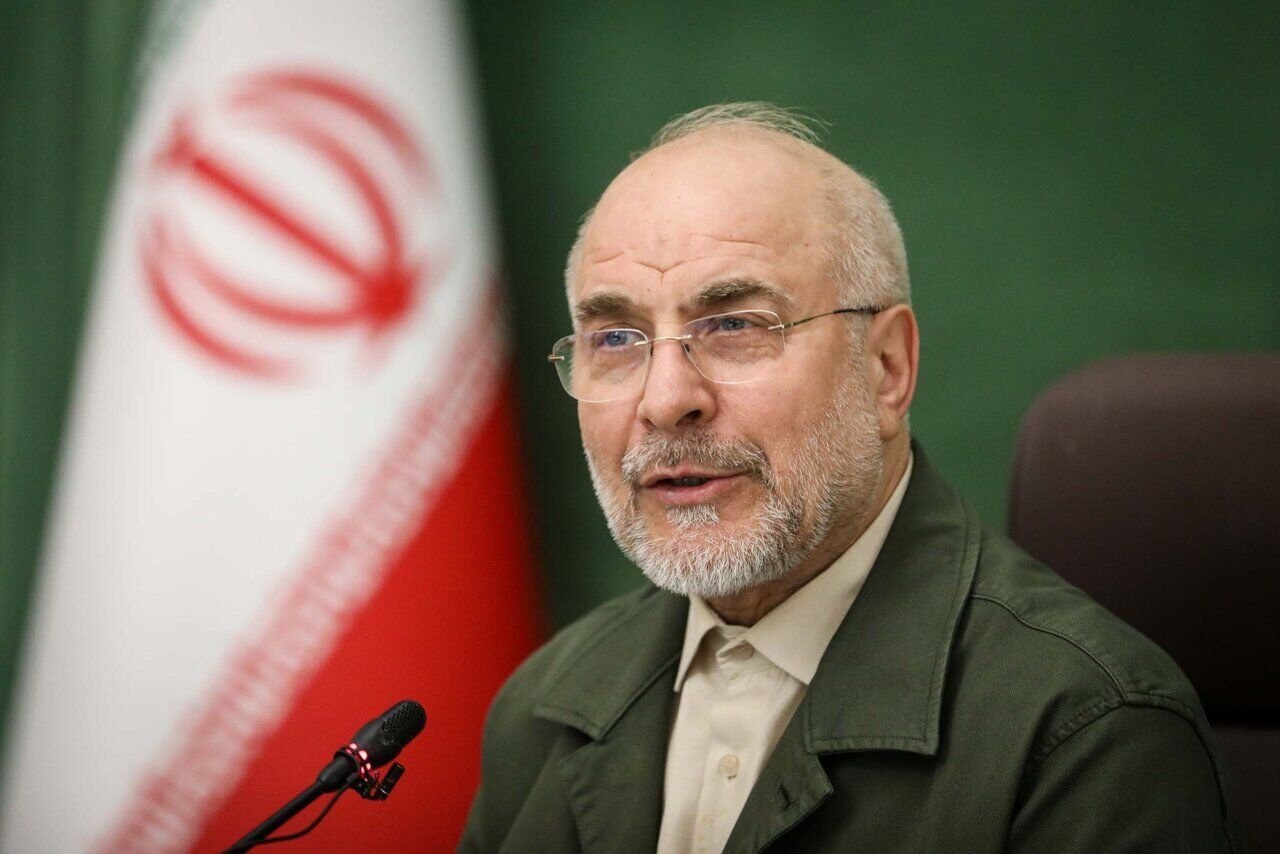
TEHRAN: In a firm diplomatic stance, Iran’s chief negotiator Mohammad Bagher Ghalibaf announced on Sunday that Tehran will reject any peace agreement with the United States that fails to fully secure the rights of the Iranian people. The statement underscores the deep-seated mistrust remaining between the two nations as they attempt to negotiate an end to the conflict.
“We will not approve any agreement until we are certain that the rights of the Iranian people have been upheld,” Ghalibaf stated in a video broadcast on state television, explicitly adding that Iranian negotiators “neither trust the enemy’s words nor its promises.”
Core Friction Points and Diplomatic Hurdle
The ongoing back-and-forth exchanges over a proposed peace framework come amid escalating regional tensions following the outbreak of war on February 28, which has since engulfed the Middle East.
The key areas governing Iran’s terms for any potential diplomatic breakthrough include:
-
Economic Redlines: Tehran maintains that comprehensive sanctions relief and the immediate unfreezing of Iranian financial assets held in foreign banks are non-negotiable core rights that must be guaranteed under any US deal.
-
Strait of Hormuz Autonomy: Since the start of the conflict, Iran has maintained strict operational control over the strategic Strait of Hormuz—a critical chokepoint for global energy supplies. Tehran considers the independent oversight of shipping through this waterway to be an absolute sovereign right.
-
Escalating US Terms: The negotiator’s public refusal follows recent media reports indicating that US President Donald Trump sent a revised proposal back to Tehran featuring significantly “tougher” conditions, though the exact parameters of these new terms remain undisclosed.