



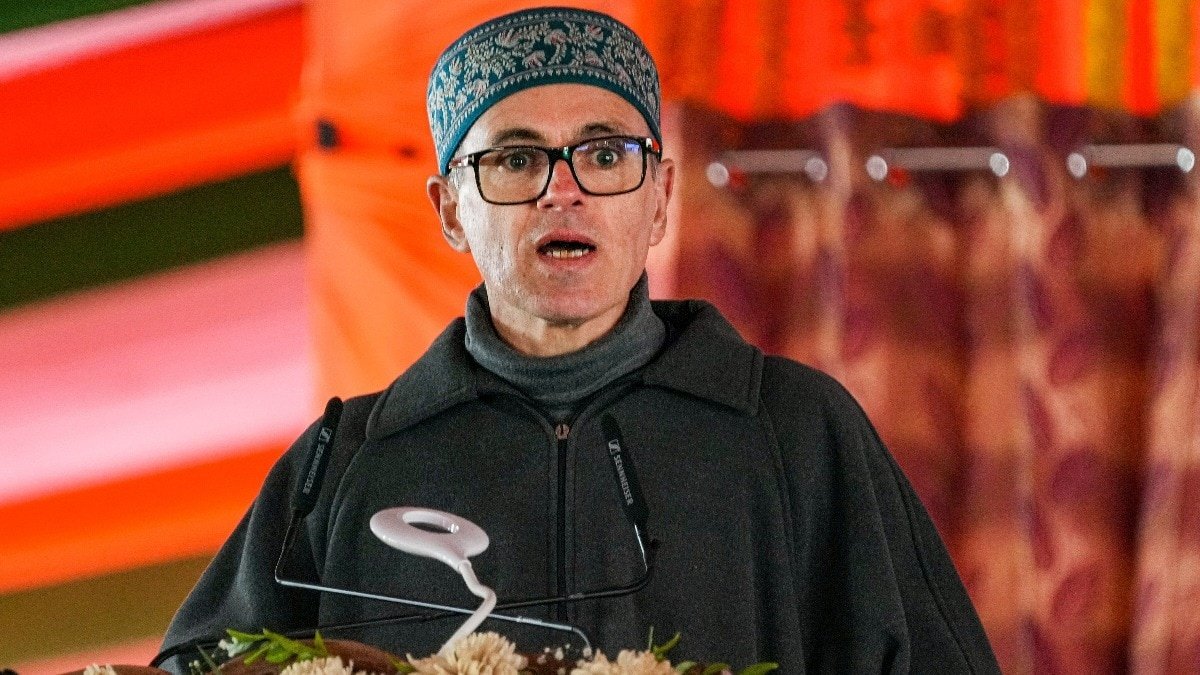
SRINAGAR: Marking a defining transition in his political approach, Jammu and Kashmir Chief Minister Omar Abdullah, alongside his cabinet ministers, MLAs, and Members of Parliament, will stage a major protest in New Delhi on the first day of the upcoming Monsoon session of Parliament.
The decision underscores a strategic pivot for the ruling National Conference (NC), moving away from an initial stance of cooperation with the central government to reclaim its foundational political platform.
Strategic Reset Amid Growing Internal Friction
The policy shift follows escalating discontent and disillusionment within the rank and file of the National Conference. Following a decisive electoral mandate in October 2024, the party leadership—particularly the Chief Minister—had largely maintained a silent, non-confrontational posture regarding J&K’s constitutional status.
However, party insiders indicated that this cautious approach risked losing crucial political ground. Following extensive deliberations, the NC has now taken an explicit, unified stand to demand:
-
The immediate restoration of full statehood to Jammu and Kashmir.
-
The reinstatement of special status and constitutional guarantees previously held under Article 370.
The “No-Network” Conclave at Dachigam
To finalize this combative future strategy, Chief Minister Abdullah organized a highly unusual administrative huddle on Wednesday morning.
-
The Setting: Lawmakers were boarded onto waiting buses at the Chief Minister’s Gupkar Road office without being informed of their destination, ultimately arriving at a strict no-network zone within Dachigam National Park, 22 kilometers from Srinagar.
-
The Official Narrative: Abdullah framed the off-site meeting on social media as a standard review to take stock of the functioning, successes, and shortcomings of his government over its first 19 months in office.
-
The Legislative Reality: Behind the scenes, the meeting functioned as a crucial forum for lawmakers to vent frustrations regarding severe central constraints. One NC MLA noted that the elected government has been reduced to a virtual non-entity, lacking even the practical administrative authority to transfer a local revenue official (patwari).
Widening Factions and Key Exclusions
The shift in political momentum has also brought internal party divisions to the forefront. The National Conference’s most outspoken internal critic, Srinagar Member of Parliament Aga Ruhullah, was notably excluded from the Dachigam strategy session.
Ruhullah, who has publicly accused Abdullah of betraying the public mandate and previously called for his resignation, confirmed that he received no invitation to the conclave.
Broader Governance and Socio-Economic Demands
While constitutional status and statehood serve as the primary catalysts for the upcoming Delhi protest, the NC issued a post-meeting statement outlining a broader array of regional concerns. During the demonstration, the party intends to aggressively highlight local administrative issues, including:
-
Rising unemployment and the urgent regularization of daily wagers and casual employees.
-
Pressing societal challenges, specifically drug abuse and regional alcohol policies.
-
Ongoing disputes surrounding the local reservation policy and overall development.
By taking the agitation directly to the gates of Parliament in New Delhi, Omar Abdullah aims to press the reset button on his administration, signaling that it will no longer be business as usual.