



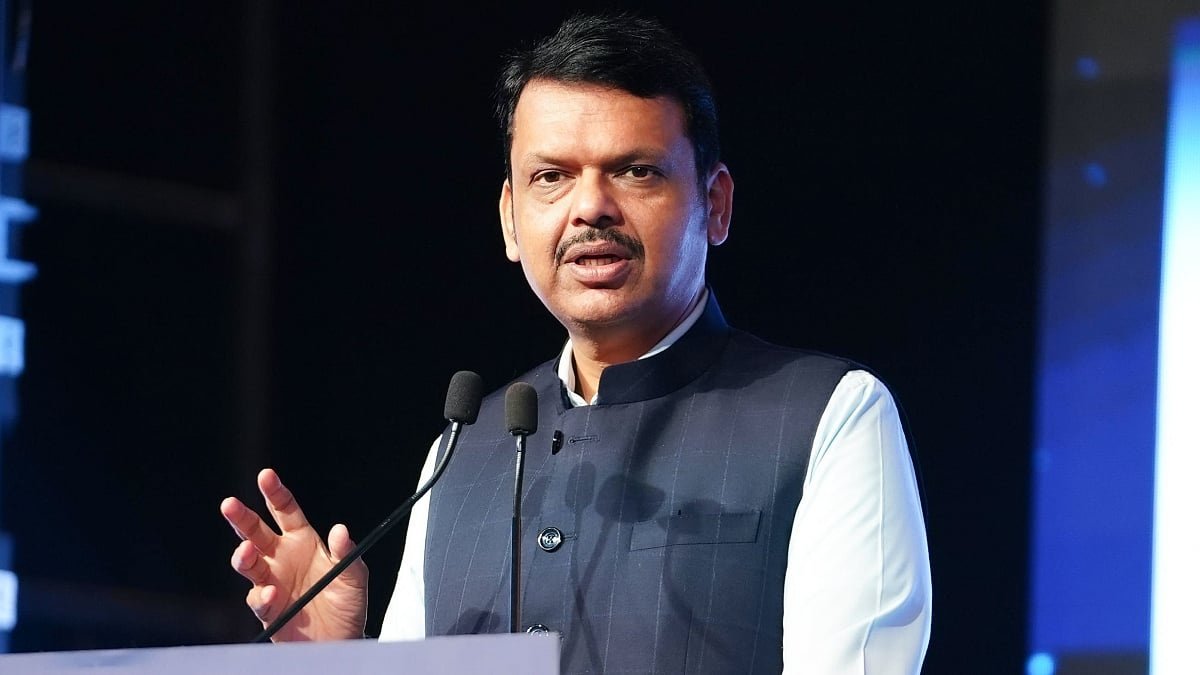
MUMBAI — The political temperature in Maharashtra has spiked following a sharp verbal exchange between Chief Minister Devendra Fadnavis and Shiv Sena (UBT) leader Sanjay Raut. Fadnavis openly mocked Raut’s recent statements urging regional breakaway groups—including Sharad Pawar’s NCP faction—to merge back into the Congress party to form a unified front against the ruling coalition.
The Chief Minister made light of the opposition’s internal deliberations, characterizing the push for consolidation as an exercise in political vulnerability.
Dissecting the “Sinking Ship” Critique
Fadnavis questioned Raut’s standing to drive unification talks for external political entities, using a classic proverb to emphasize his point:
-
The Uninvited Guest: “The individual leading the narrative about merging these smaller factions into the Congress has no functional stake in any of those parties,” Fadnavis stated, framing Raut’s public lobbying as an over-enthusiastic intervention in outside affairs.
-
A Vulnerable Vehicle: Turning his attention to the target of the proposed mergers, the Chief Minister dismissed the Congress party as a structurally unstable foundation. He argued that highly strategic regional chiefs, including those helming parties like the Trinamool Congress, would hesitate to anchor their political futures to an unstable national platform.
-
The Consolidation Dividend: Fadnavis concluded that even if these distinct regional factions choose to surrender their independent identities to the Congress, the resulting polarization will only streamline the electoral map to the direct advantage of the BJP.
Defensive Strategy and Vote Consolidation
Despite the dismissive stance from the ruling camp, political analysts view the merger talk as a calculated response to shifting loyalties within the state’s opposition alliance:
-
Defection Shielding: Behind-the-scenes reports suggest that the NCP-SP leadership is considering a formal merger to prevent potential floor-crossing, amid concerns that select legislators are establishing communication lines with the treasury benches.
-
Electoral Math: State Congress leaders have acknowledged that a structural union is actively being explored. The primary objective is to create a single, clear alternative on the ballot and eliminate the fractionalization of anti-incumbency votes that often penalizes multi-party coalitions.
While opposition figures maintain a cautious stance on final timelines, the ongoing public sparring highlights the intense strategic maneuvering taking place ahead of the next legislative cycle.