



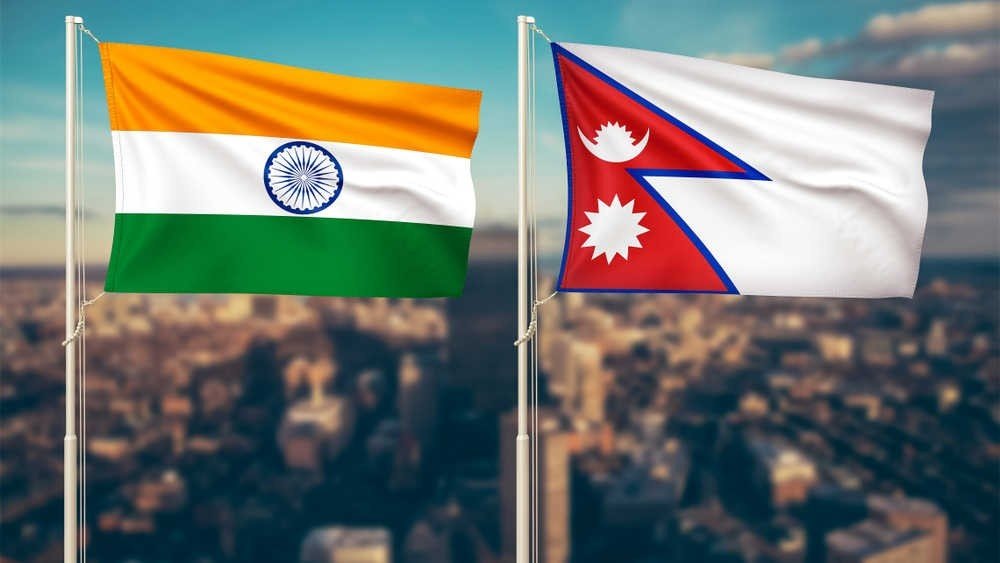
KATHMANDU — India and Nepal have successfully concluded high-level institutional talks in Kathmandu to fast-track the deployment and expansion of critical cross-border broad-gauge railway links. The strategic trans-boundary transit push is aimed at heavily improving regional connectivity, cargo logistics, and bilateral passenger movement.
The bilateral discussions were anchored under the 10th Project Steering Committee (PSC) and the 8th Joint Working Group (JWG) platforms, which ran from June 11–12, 2026. The sessions marked a major review of infrastructure assets currently being built across the shared border, largely backed by grant assistance from the Government of India.
Accelerating Core Cross-Border Rail Corridors
The bilateral working groups focused heavily on completing the remaining, high-priority phases of two primary broad-gauge connectivity projects:
-
Jaynagar–Bijalpura–Bardibas Rail Link: Delegates analyzed operational timelines for the remaining section connecting Bijalpura to Bardibas. The completed segments of this line have already transformed transit across the border, and the final stretch will deeply integrate Nepal’s interior trade zones with India’s central eastern railway network.
-
Jogbani–Biratnagar Rail Link: The committees reviewed site preparedness and engineering clearances for the vital final link extending from the Nepal Custom Yard to Biratnagar. The line is highly anticipated by industrial logistics firms, as Biratnagar serves as an essential economic gateway for bilateral manufacturing trade.
The Nepali delegation assured the Indian planners that the government would provide immediate, streamlined administrative and land facilitation to guarantee an early commencement of physical civil works on these remaining stretches.
Janakpur-Ayodhya Transit and Future Strategic Alignments
Beyond immediate track-laying deadlines, the 10th PSC summit expanded its scope to include major cultural transit routes and long-term engineering blueprints:
-
Janakpur–Ayodhya SOPs: The two nations finalized the Standard Operating Procedures (SOPs) required to inaugurate direct passenger train operations on the highly anticipated Janakpur-Ayodhya section, structurally bridging prominent cultural and religious tourism hubs across the two countries.
-
Raxaul–Kathmandu Capital Link: The Joint Working Group closely evaluated the comprehensive Final Location Survey (FLS) Report for the proposed Raxaul-Kathmandu Broad Gauge Railway Link. Once executed, this landmark project will visually and logistically connect India’s border network directly to Nepal’s capital city.
-
East-West Railway Integration: Indian railway engineers committed to extending sustained technical and algorithmic support to assist Nepal in planning and executing its national East-West Railway Link framework, alongside exploring new potential border-point feeder tracks.
The institutional framework followed the groundwork laid during the 9th PSC meet held in New Delhi in early 2025. The ongoing round was steered by senior diplomats and traffic transit directors from India’s Ministry of External Affairs and Ministry of Railways, alongside counterparts from Nepal’s Ministry of Physical Infrastructure and Transport, signaling a unified administrative push to bring the cross-border subcontinental rail grid to complete fruition.