



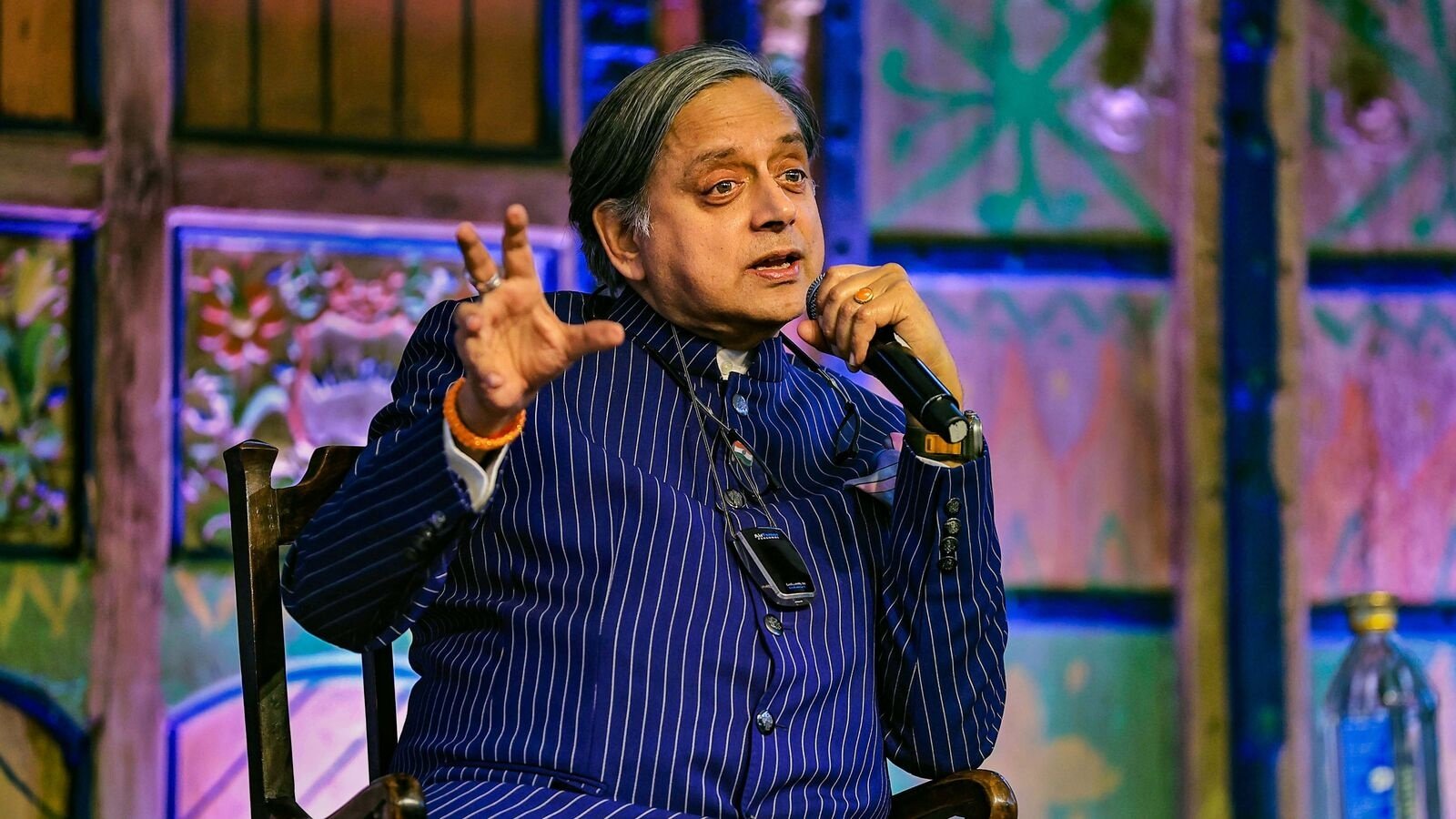
NEW DELHI — Congress MP Shashi Tharoor has publicly challenged the Central government following a controversial statement by the Ministry of External Affairs (MEA) declaring that an Indian passport is primarily a “travel document and not a conclusive proof of citizenship.”
The MEA’s stance, which relies on Section 20 of the Passports Act of 1967, allows the state to issue passports to non-citizens under rare, public-interest circumstances. However, Tharoor argued that this technicality creates an “absurd legal paradox” for the public, who must navigate rigorous bureaucratic vetting and police verifications just to obtain one.
“For decades, the passport has been considered the gold standard of identity,” Tharoor posted on X. “To turn around and declare that the very document born from this rigorous vetting does not actually prove citizenship creates an absurd legal paradox. If a passport does not establish domestic citizenship, then what does?”
Government sources countered that this is a long-standing legal reality not unique to the current administration, reiterating that “the passport has never been a proof of citizenship.”
Proposed Legislative Fix and Two-Tier Identity System
To resolve the public bewilderment and political sparring, Tharoor urged the government to implement a comprehensive legislative overhaul that would formally recognize both the passport and the Aadhaar card as valid, conclusive proofs of Indian citizenship, unless explicitly revoked by the state.
However, Tharoor acknowledged a significant administrative hurdle: Aadhaar is currently granted based on a 182-day local residency requirement rather than nationality, meaning it is held by both citizens and non-citizen residents alike.
To bridge this gap, Tharoor proposed a straightforward solution for the Unique Identification Authority of India (UIDAI):
-
Visually Distinct Identification: Introduce a modified card featuring a visible diagonal red stripe across the front, specifically designated for non-citizens living in India.
-
Streamlined Verification: By clearly separating the two categories, the state could legally mandate that either a standard citizen’s card or a valid passport serves as sufficient, unquestionable proof of citizenship.
According to Tharoor, this dual-document policy would eliminate arbitrary bureaucratic challenges during electoral revisions and provide absolute legal certainty to Indian nationals.
Passport Fee Hikes Announced
Amid the ongoing citizenship debate, the MEA published a gazette notification announcing a sharp increase in passport application fees. The price for a fresh, ordinary 36-page passport has officially been raised from ₹1,500 to ₹2,500.