



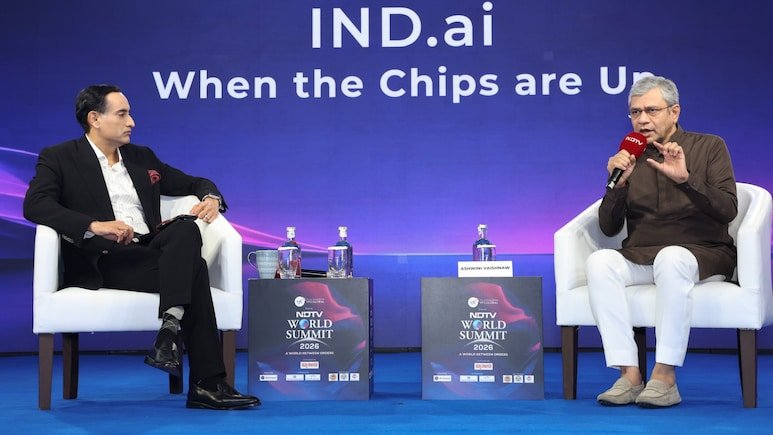
NEW DELHI — Union Railway Minister Ashwini Vaishnaw has detailed the advanced engineering standards and strong bilateral cooperation underpinning the Mumbai-Ahmedabad high-speed rail project, noting that visiting international delegations have praised the unprecedented pace of construction.
Addressing public queries regarding the nation’s premier bullet train initiative, the minister emphasized that innovative construction methodologies deployed across the corridor have attracted technical interest from global rail experts.
Key Takeaways
-
Global Technical Recognition: International railway association leadership and Japanese transport officials commended the superior quality and rapid execution of civil works.
-
Cross-Border Innovation: Japanese engineering teams have expressed interest in adopting certain domestic technologies developed during the project for future global infrastructure.
-
Rigorous Planning Standards: Early phases prioritized complex structural designs and safety parameters to meet international high-speed rail benchmarks.
-
Timeline Optimization: Despite initial administrative and pandemic-related headwinds, construction momentum accelerated significantly following the resolution of state permit requirements.
Bilateral Engineering Partnership
The development of India’s first high-speed rail link has involved extensive technical collaboration between Indian civil engineers and Japanese infrastructure specialists.
Highlighting the strength of this partnership, the minister pointed to inspections conducted by visiting transport authorities who observed that the scale and velocity of construction matched or exceeded global benchmarks for complex transportation projects. Furthermore, technical innovations implemented on-site have provided valuable methodologies that international experts plan to integrate into upcoming high-speed rail ventures abroad.