



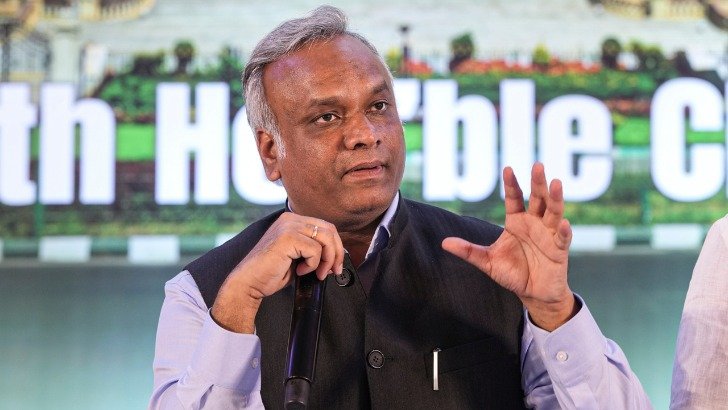
BENGALURU — Elevating political scrutiny over ideological organizations, Karnataka Home Minister Priyank Kharge challenged the Rashtriya Swayamsevak Sangh (RSS) to undergo formal statutory registration, alleging that the prominent cultural organization operates without adequate public financial transparency.
The statement introduces new operational arguments into a widening national debate between Congress leadership and the ruling Bharatiya Janata Party regarding the governance standards and legal definitions applied to political and social movements.
Key Takeaways
-
Statutory Compliance Mandate: State Home Minister Priyank Kharge called on the RSS to officially register as a legal entity and publish audited financial records.
-
Foreign Lobbying Allegations: The minister alleged that organizational representatives held discussions with overseas lobbying groups operating in the United States.
-
Controversy Over Route Marches: The verbal exchange coincided with police permissions and security arrangements surrounding centennial Vijayadashami parades across Karnataka.
-
Inter-Party Disagreements: Senior political figures continue to debate the ideological status, tax obligations, and electoral influence of non-registered socio-cultural bodies.
Regulatory Arguments and Legal Oversight Demands
Focusing on administrative regulations governing non-governmental entities, the minister argued that large-scale socio-cultural movements should adhere to public disclosure laws governing donations and operational expenditures.
Outlining his demand for institutional accountability and financial audit compliance, Kharge stated:
“You are the world’s largest NGO, you are the biggest nationalist, the greatest people in the history of India, you should lead by example by following the rules, by adhering to the Constitution, get yourselves registered, that’s all.”
He further asserted that formal registration is essential to establish clear legal oversight, asking public questions regarding audit trails, funding sources, and tax disclosures for large-scale outreach programs across the country.
Ideological Confrontation and Regional Impact
The demand for organizational registration arrives amid widespread public events held across southern states marking the centenary year of the RSS:
-
Security Oversight: Regional police departments deployed personnel to manage traffic and law enforcement during public street marches across urban centers in Karnataka.
-
Demographic Participation: State leadership questioned the social composition of cadre participation in public events, urging scrutiny of public leadership involvement.
-
National Political Fallout: Representatives from the opposition rejected the state minister’s assertions, defending the historical legitimacy of the movement and accusing state authorities of raising procedural hurdles against lawful public assemblies.