



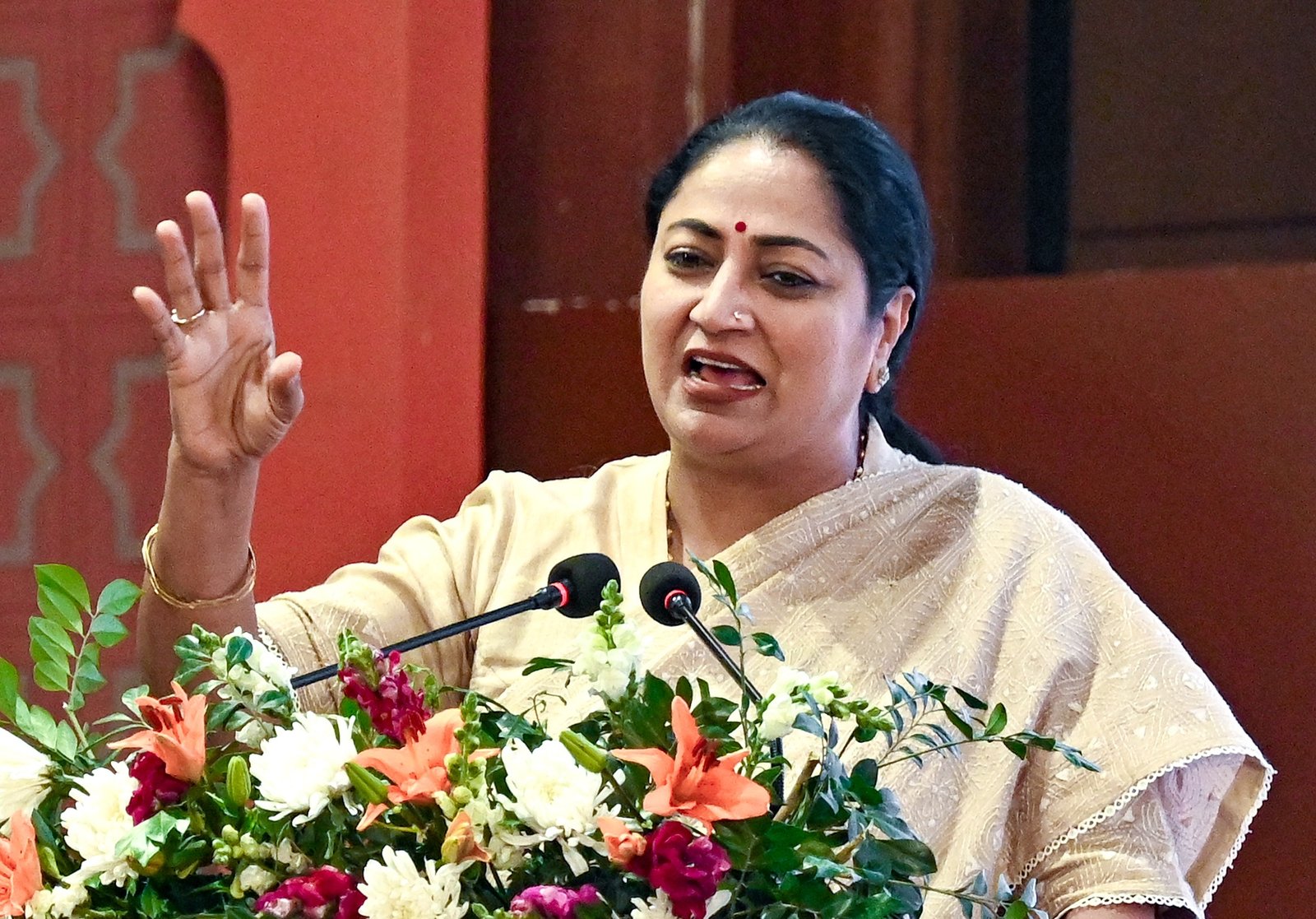
NEW DELHI — In a swift response to Prime Minister Narendra Modi’s call for national fuel conservation and economic resilience, Delhi Chief Minister Rekha Gupta on Thursday announced a series of significant measures, including a two-day Work-From-Home (WFH) policy for government employees.
The new directives, effective from Friday, aim to shield the Indian economy from global supply chain disruptions and rising fuel costs triggered by the ongoing conflict in West Asia.
“Mera Bharat Mera Yogdan”: Key Initiatives
The Delhi government is launching a 90-day awareness campaign titled “Mera Bharat Mera Yogdan” (My India, My Contribution) to promote sustainable governance. Key measures include:
-
Commuting Shifts: Every Monday will be observed as “Monday Metro,” requiring all ministers and government staff to use the Delhi Metro. The public is also encouraged to observe one “No Vehicle Day” per week.
-
Convoy Reductions: Chief Minister Rekha Gupta has slashed her official carcade by 60%, reducing it to just four vehicles—two of which are now electric (EVs).
-
Travel & Spending Freeze: A total ban on official foreign travel for ministers and officers has been imposed for one year. Additionally, there will be no new vehicle purchases (petrol, diesel, or electric) for the next six months.
-
Energy Efficiency: Air conditioners in all government offices must be set between 24°C and 26°C, and master switches will be installed to eliminate electricity wastage.
Supporting the Workforce
To offset the changes in commuting patterns and support staff during this transition, the government announced a 10% increase in transport allowance for all employees.
Background: The Prime Minister’s Appeal
The move follows PM Modi’s address at the Secunderabad Parade Grounds, where he urged citizens to adopt “economic prudence” rather than austerity. He encouraged:
-
Reviving WFH and virtual meetings to reduce fuel consumption.
-
Increased use of public transport, car-pooling, and EVs.
-
Avoiding non-essential imports and overseas vacations to protect foreign exchange reserves.
Experts note that these steps are designed to mitigate the “ripple effects” of international tensions on the domestic economy, maintaining efficiency while reducing the national carbon footprint and import dependency.