



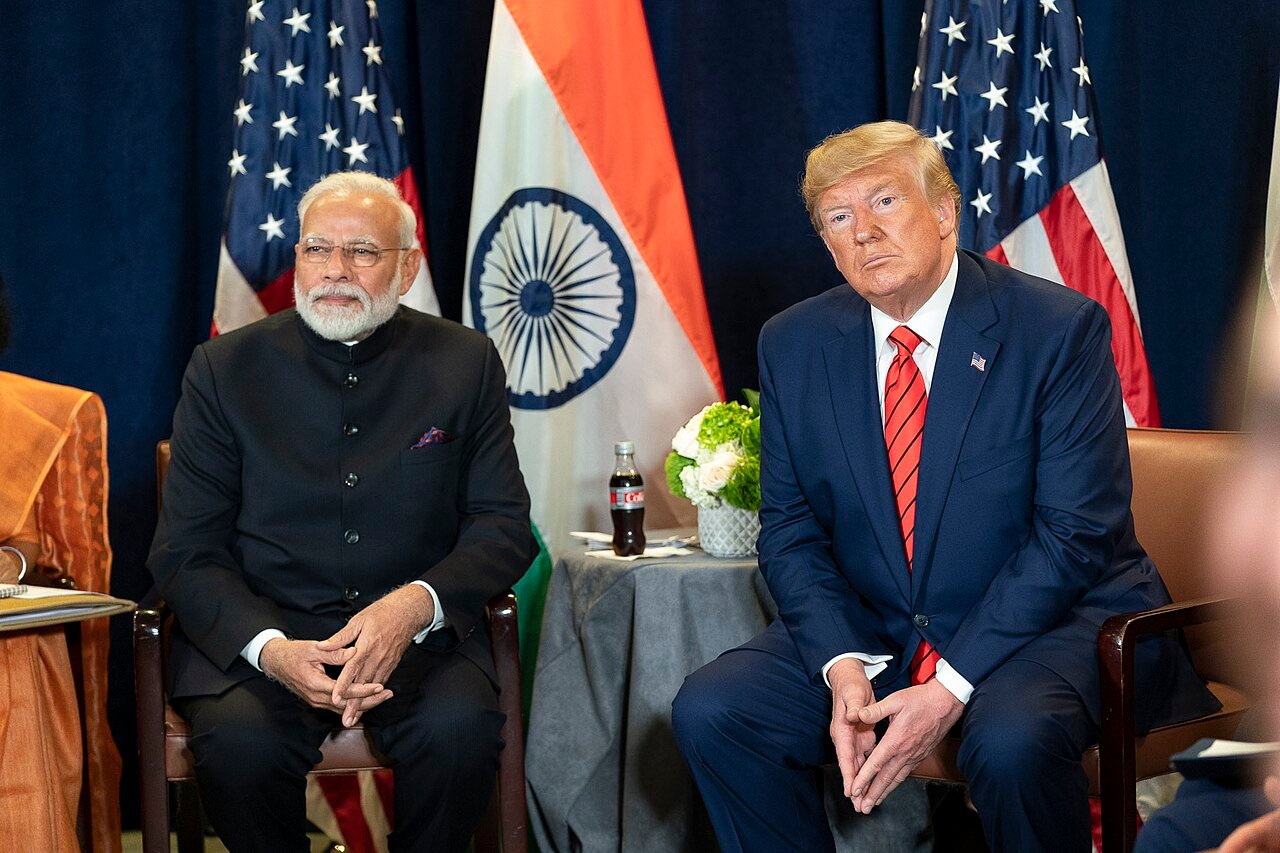
NEW DELHI — The Indian government announced on Wednesday, November 25, 2026, that it is reviewing a proposal by the United States to impose tariffs of up to 25 percent on Indian goods unless the two nations finalize a trade agreement, while firmly rejecting Washington’s claim that India maintains excess manufacturing capacity.
In an official response following the announcement by the Office of the United States Trade Representative (USTR), the Ministry of Commerce and Industry stated that it has taken note of the USTR’s Notice of Determination and Request for Comments under a Section 301 investigation examining structural excess capacity across 14 economies, including India, and asserted that India does not have structural excess capacity in any sector.
Findings of the USTR Section 301 Investigation
The proposed duties stem from a Section 301 inquiry launched by the USTR in March across 16 economic jurisdictions to evaluate industrial policies linked to surplus production:
-
US Allegations: In its report on India, the USTR alleged that Indian policies promote overproduction, restrict market access, and fall short on labor protections, disadvantaging American companies. US Trade Representative Jamieson Greer stated that several trading partners have long used industrial strategies—ranging from financial subsidies to wage suppression—that skew trade balances and weaken American manufacturing.
-
Targeted Sectors: The USTR report highlighted that India records trade surpluses with the United States in pharmaceuticals, steel, and information and communications technology (ICT) goods, pointing to US supply chain dependencies in those industries.
-
Comparative Tariff Rates: Alongside India, other economies—including China—face proposed tariffs between 20 and 35 percent. Countries with existing or pending trade arrangements with Washington face lower rates, including 15 percent (inclusive of standard duties) for the European Union, Japan, South Korea, Taiwan, and Switzerland, and 20 percent for Vietnam once its trade pact is concluded.
Legal Backdrop and Ongoing Bilateral Trade Talks
The USTR action follows a US Supreme Court ruling that invalidated broad import tariffs previously introduced by the Trump administration under the International Emergency Economic Powers Act. In response, the USTR initiated two Section 301 probes—one targeting 60 jurisdictions over forced labor export standards and another examining 16 jurisdictions over surplus manufacturing capacity.
The court ruling also prompted New Delhi and Washington to revisit a bilateral trade framework finalized in February, with both sides currently negotiating an interim bilateral trade agreement:
-
New Delhi’s Position: The Commerce Ministry reiterated that trade issues should be resolved within the ongoing bilateral dialogue and affirmed India’s commitment to working with the United States toward an early conclusion of the India-US Bilateral Trade Agreement.
-
Consultation Timeline: The USTR has invited written public comments on the tariff proposals until January 5, 2027, ahead of public hearings scheduled for January 25, 2027, keeping the measures open for review in the interim.