



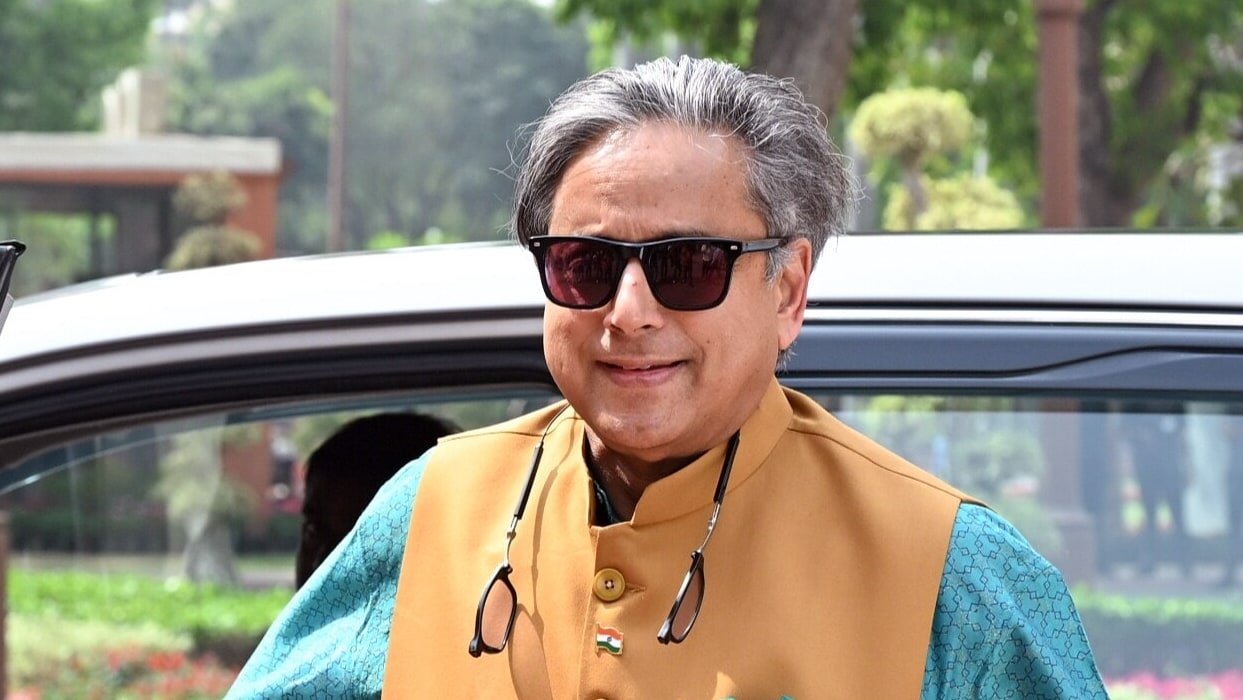
KATHMANDU — Speaking at the NDTV World Anviksha Summit in Kathmandu, Congress MP Shashi Tharoor highlighted the structural resilience of India’s democracy when contrasted with political upheavals across South Asia triggered by youth-led agitations.
Tharoor noted that while several neighboring nations experienced regime collapses or military intervention under youth pressure, India’s democratic framework demonstrated a self-correcting ability by adapting swiftly to public sentiment.
South Asian Youth Movements and Divergent Outcomes
Reflecting on regional political trends over the past decade, Tharoor emphasized that youth-led anger manifested across six major South Asian nations—Myanmar, Pakistan, Sri Lanka, Bangladesh, Nepal, and India:
-
Regime Collapse: In Bangladesh and Sri Lanka, political leadership failed to manage public anger, resulting in heads of state fleeing and complete government overhauls.
-
Military Interventions: In Myanmar and Pakistan, military establishments stepped in, leading to junta rule or the installation of puppet administrations.
-
Constitutional Transitions: Nepal underwent regime change through fresh general elections while preserving core state structures.
The “Self-Correcting” Mechanism of Indian Democracy
Tharoor emphasized that India’s response stood apart due to its institutional flexibility and responsiveness to popular currents:
-
Swift Government Adaptation: Despite past instances where the ruling administration resisted calls for high-profile resignations, the recent Gen Z-led movement saw prompt government accountability, culminating in the resignation of Union Education Minister Dharmendra Pradhan following nationwide paper leak protests.
-
Systemic Flexibility: Tharoor highlighted that the ability to recognize public discontent and respond without institutional collapse shows that the Indian democratic system “bent, but didn’t break”.
-
Encouragement for the Opposition: He expressed that the government’s swift response offers hope that Indian democracy retains the agility needed to reflect popular demands.
“In India, however, the mechanism is self-correcting. There is a democratic system which adapted itself to the new reality with astonishing speed… Our system bent and didn’t break. That is a huge difference.”