



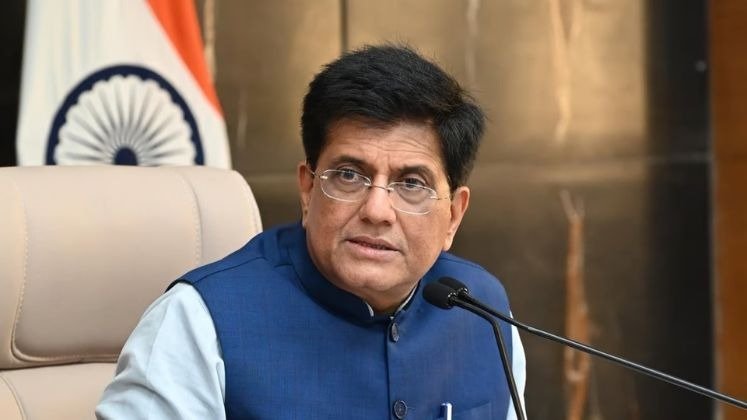
NEW DELHI (Feb 7, 2026) – Commerce Minister Piyush Goyal clarified today that India has successfully “ring-fenced” its agricultural and dairy sectors in the newly announced interim trade framework with the United States. Despite the broad scope of the deal, Goyal emphasized that India refused to budge on Genetically Modified (GM) crops and dairy, keeping them entirely out of the agreement.
The “No-Go” List: Protected Sectors
The Minister outlined a robust list of “sensitive” products that will receive zero duty concessions, ensuring that American imports do not overwhelm local producers:
-
GM Crops: A total ban on reduced-tariff imports of any genetically modified food or seeds.
-
Dairy: Complete protection for milk, butter, ghee, cheese, and curd.
-
Staple Grains: No concessions for wheat, rice, maize, or millets.
-
Sensitive Livestock: Meat and poultry remain shielded from American competition.
-
Cash Crops: Soybeans, sugar, tobacco, and ethanol were also kept on the exclusion list.
Where India “Opened the Door”
To balance the agreement, India has agreed to a “calibrated” reduction of duties on items where the country is not self-sufficient or seeks technological upgrades:
-
High-End Agri-Products: Tariffs will be reduced on fresh and processed fruits (e.g., cherries, strawberries), tree nuts (almonds, walnuts), and wine/spirits.
-
Animal Feed: Concessions were granted for dried distillers’ grains and red sorghum to support the domestic poultry and livestock industries.
-
Essential Technology: Duties on cancer medicines, pacemakers, and specific high-tech industrial parts will see phased reductions to ensure affordability.
The “Most Preferred” Edge for Exporters
While protecting the domestic market, the deal provides a massive boost for Indian exports:
-
Tariff Slashing: The US will cut reciprocal tariffs on Indian goods from 50% to 18%, giving India a significant lead over neighbors like Vietnam and Bangladesh.
-
Zero-Duty Access: A wide array of Indian products—including spices, tea, coffee, generic drugs, smartphones, and aircraft parts—will now enter the US market at zero duty.
-
Job Creation: Goyal projected that the surge in exports from labor-intensive sectors like textiles and leather would create “lakhs of new jobs” for youth and women.
“India’s farm sector hasn’t been opened fully. Products where India is self-sufficient have been kept outside the deal… The interests of our Annadata (farmers) are non-negotiable.” — Piyush Goyal, Commerce Minister