



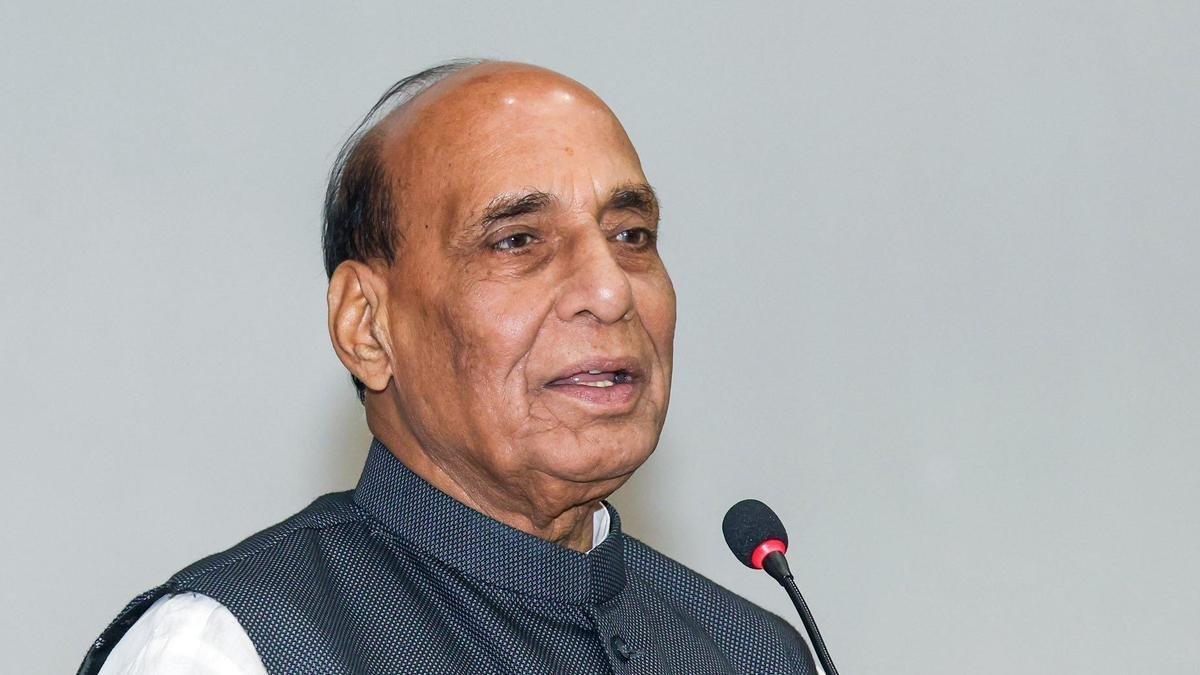
NEW DELHI — Union Defence Minister Rajnath Singh has characterized preventive healthcare as the essential future framework for India’s medical system, warning that rising treatment costs and non-communicable disease (NCD) trends make early intervention a critical factor for national economic security.
Speaking at the inauguration of a Mahajan Imaging and Labs facility, Singh highlighted the growing prevalence of chronic conditions including diabetes, hypertension, cardiovascular disease, and cancer. He noted that as India’s population demographics shift toward an older median age by 2050, transitioning toward early screening, risk assessment, and diagnostic technologies like AI and genomics is necessary to mitigate long-term pressure on hospital infrastructure.
Key Healthcare & Policy Directives
-
Economic Rationale: Framing preventive diagnostics, regular health check-ups, and early intervention as significantly more cost-effective for households, insurers, and the government than advanced-stage tertiary care.
-
Demographic Shift: Emphasizing the need to establish early-detection systems now to prevent unsustainable hospital strain as India’s elderly demographic grows toward 2050.
-
Technology & Data Protection: Citing the integration of AI, molecular diagnostics, and digital pathology in modern medicine while cautioning against algorithmic bias, patient data exposure, and compromised safety.
-
Public Scheme Metrics: Highlighting national healthcare initiatives, noting that over 35 crore individuals have received coverage under the Ayushman Bharat insurance program.
-
Regional Medical Infrastructure: Pointing to healthcare expansion in Uttar Pradesh, where active medical colleges increased from 12 prior to 2017 to over 45, alongside a threefold rise in medical training seats.