



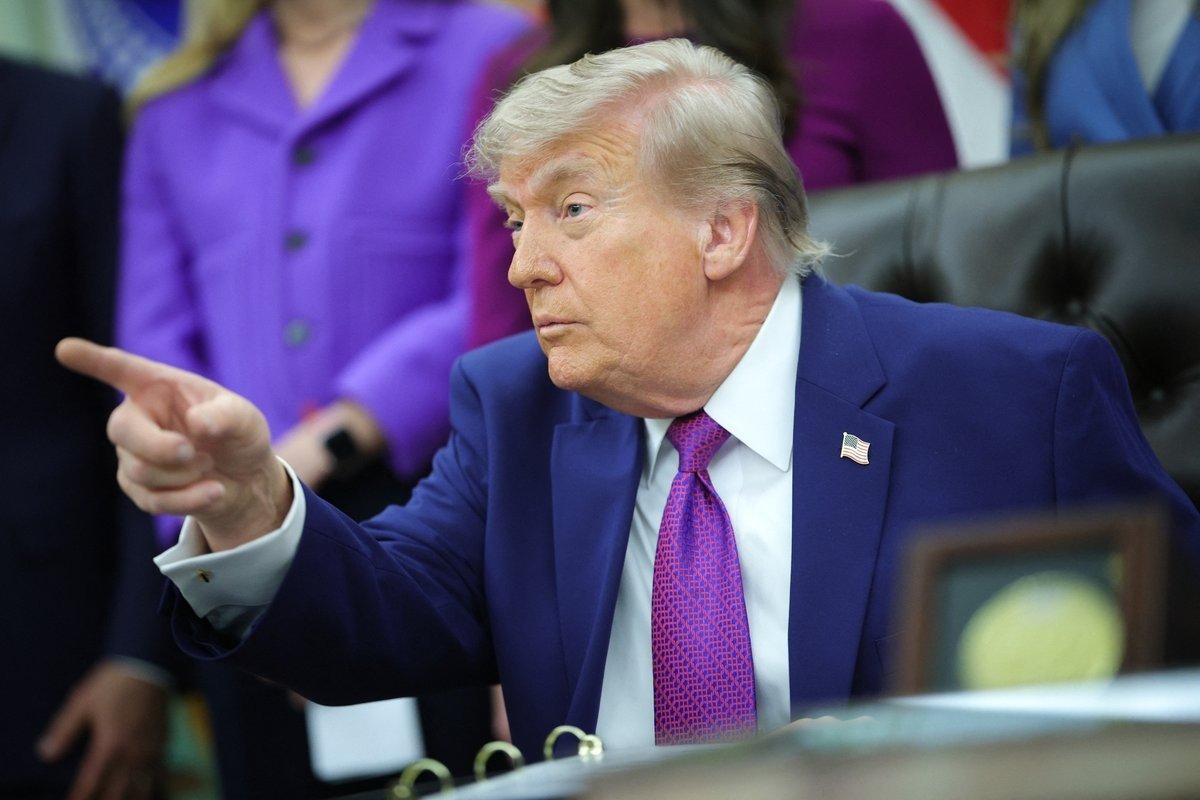
WASHINGTON D.C. – U.S. President Donald Trump has declared the current ceasefire with Iran to be on “massive life support” following Tehran’s rejection of a U.S.-led peace proposal. Describing the Iranian response as “garbage,” the President indicated that the deadlock has forced the military option back onto the table.
The standoff centers on Iran’s refusal to make concessions regarding its nuclear program and the status of its enriched uranium stockpile, which Trump claims Tehran previously agreed to relinquish.
The Two Strategic Options
The White House is reportedly weighing two primary paths to increase pressure on the Iranian regime:
-
Resuming Air Strikes: Discussions involve finishing the “bombing campaign” by targeting the remaining 25% of initially identified Iranian infrastructure.
-
Restarting ‘Project Freedom’: Re-initiating the military escort of ships through the Strait of Hormuz to break the Iranian blockade. This follows a diplomatic breakthrough with Saudi Arabia, which had previously restricted port access.
High-Stakes Diplomacy and Risk
-
The Nuclear Factor: Israel has reportedly urged a special forces operation to secure Iran’s uranium, though U.S. officials suggest Trump may view this as too high-risk.
-
The China Connection: Trump is scheduled to visit Beijing this week. Analysts believe military action is unlikely until after he consults with President Xi Jinping, as China remains a key ally of Tehran and a vital mediator.
Impact on Global Stability
With negotiations deadlocked and the Strait of Hormuz effectively closed, the risk of a “machine-speed” escalation looms. While Trump maintains he wants a permanent peace deal, he has warned that he is prepared to “tune up” the regime militarily if diplomacy continues to fail. The U.S. national security team, including Vice President JD Vance and Secretary of State Marco Rubio, is expected to finalize the next steps upon the President’s return from China.