



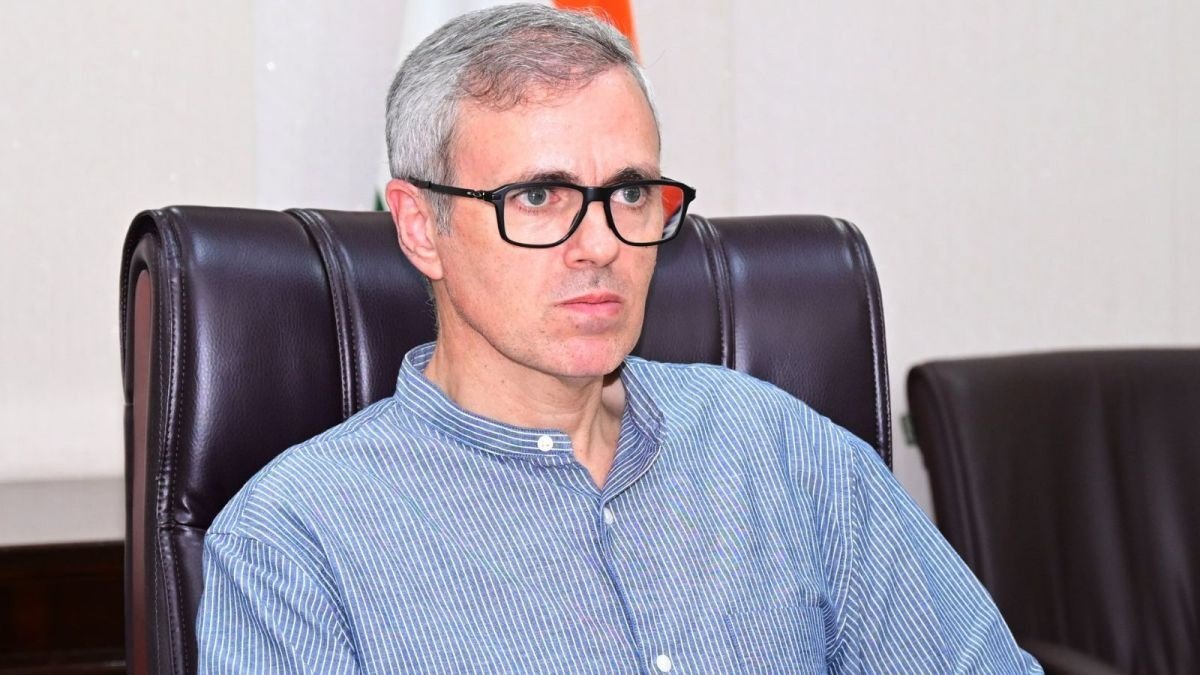
SRINAGAR – Jammu and Kashmir Chief Minister Omar Abdullah admitted today that his recent comments regarding a liquor ban in the Union Territory were a “mistake,” claiming his words were misinterpreted due to a lack of detail.
The controversy began on Sunday when Abdullah dismissed a question on prohibiting alcohol by asking if anyone was being “forced to drink.” He clarified today that he was speaking hurriedly on the roadside, allowing political opponents to twist his message.
Clarification on Consumption
The Chief Minister sought to distinguish between personal choice and religious mandates:
-
The “Mistake”: Abdullah regretted the casual nature of his previous response, noting it lacked the necessary nuance.
-
Religious Context: He stated that liquor shops are intended only for those whose religion permits alcohol consumption. “Our religion [Islam] forbids alcohol, and we don’t want anyone to take liquor,” he added.
-
Policy Stance: Abdullah emphasized that his government has not opened any new shops since taking office in October 2024 and aims to move existing outlets away from areas where they might influence the youth.
Political Crossfire
The Chief Minister’s initial remarks triggered a wave of criticism from both the opposition and members of his own party:
-
Iltija Mufti (PDP): Accused Abdullah of a “U-turn,” pointing out that Hindu-majority states like Bihar and Gujarat have successfully implemented bans, making his religious logic “insensitive.”
-
Aga Ruhullah (NC MP): In a rare public disagreement with his own party leader, the Srinagar MP labeled Abdullah’s statement “illogical” and demanded a total ban on alcohol in the region, citing campaign promises.
The National Conference Hits Back
Responding to the PDP’s criticism, NC spokesman Tanvir Sadiq took a personal swipe at the opposition’s history, referencing a video of the late PDP founder and his evening habits.
The row highlights a deepening divide over moral and religious sensibilities in J&K, as the newly elected government balances secular governance with local religious expectations.