



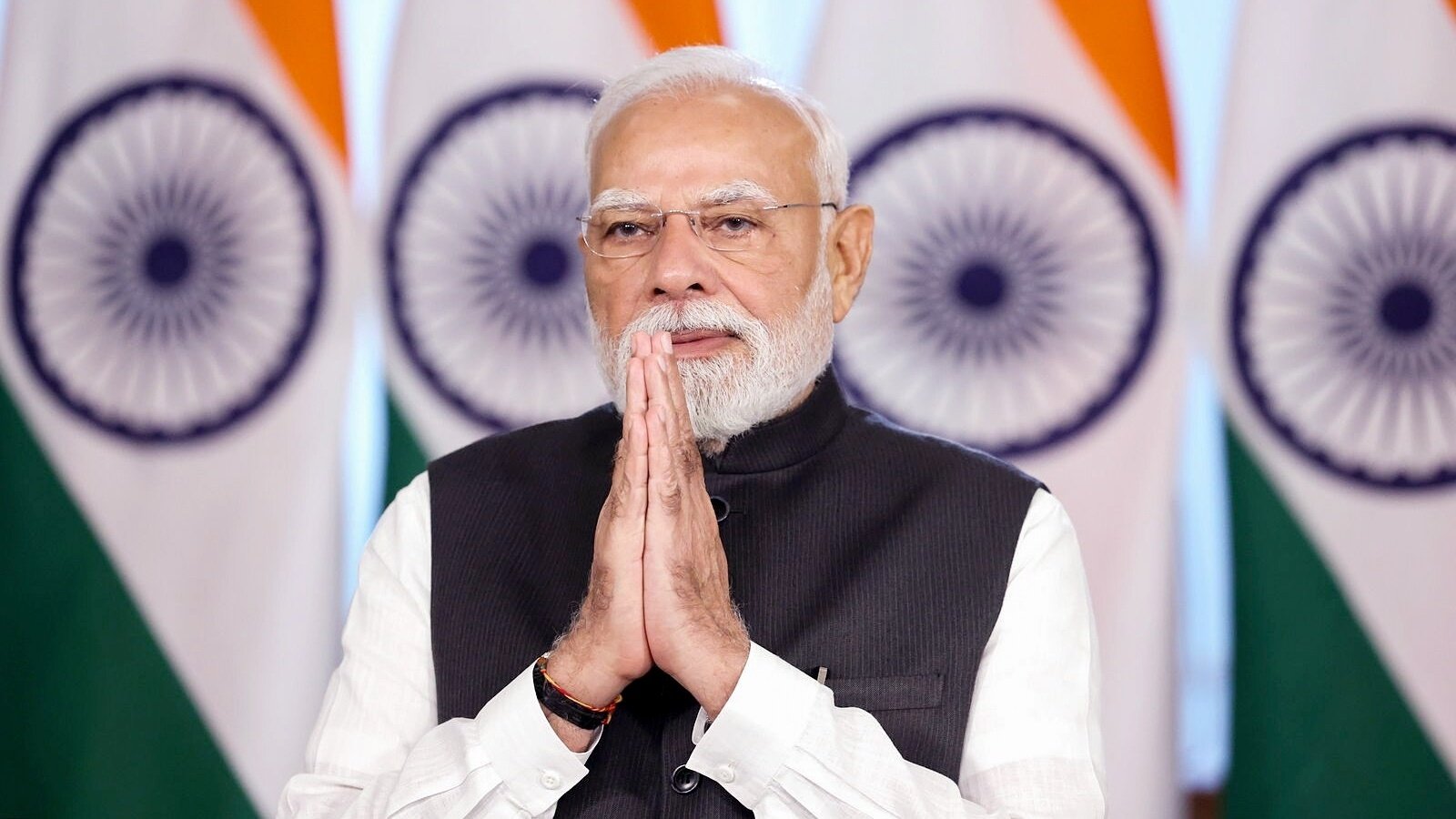
NEW DELHI — On the eve of India’s 80th Independence Day, top political leadership paused to commemorate the traumatic legacy of the 1947 Partition, framing the historic displacement not only as an enduring national tragedy but as an imperative for contemporary national unity.
Marking Partition Horrors Remembrance Day on August 14, Prime Minister Narendra Modi, Union Home Minister Amit Shah, and Uttar Pradesh Chief Minister Yogi Adityanath paid solemn tributes to the millions uprooted and killed during one of the largest and most violent human migrations in modern history.
Honoring Resilience Amid Historic Tragedy
In an official statement, Prime Minister Modi emphasized the extraordinary resilience of Partition survivors, noting how uprooted families rebuilt their lives from absolute ruin to contribute meaningfully to the country’s growth.
“Today we mark Partition Horrors Remembrance Day. We recall the courage of all those who were impacted by Partition. It was a moment in history that tore apart several lives… families were uprooted, loved ones were lost, and immense suffering was endured,” PM Modi stated. He added that the strength shown by survivors should serve as an enduring inspiration to foster harmony and brotherhood as the nation strives toward the goal of a Viksit Bharat (Developed India).
The annual observance—first instituted by the Central Government in 2021—serves to officially acknowledge the violent rupture that accompanied the end of British colonial rule, during which an estimated 10 to 20 million people were displaced along newly drawn religious borderlines.
Sharp Political Undercurrents
While the tributes focused heavily on human endurance, the solemnity was accompanied by sharp political critiques aimed at opposition legacy.
Union Home Minister Amit Shah characterized the day as “one of the most brutal chapters in history,” directly attributing the long-term historical trauma to the decision-making of the Indian National Congress during the independence movement.
Shah reiterated the government’s policy objective behind institutionalizing the day: educate the younger generation about historical mistakes to prevent future internal division.
-
Preventing Division: Reaching youth with memories of the tragedy to counter forces attempting to divide the nation.
-
National Ideals: Aligning the remembrance with the broader national vision of Ek Bharat, Shreshtha Bharat (One India, Great India).
Adding to the tributes, Chief Minister Yogi Adityanath underscored that Partition was not merely a mechanical realignment of territorial boundaries, but a profound emotional and societal fracture. Adityanath called on citizens to view the memories of 1947 as a permanent reminder to safeguard the unity and integrity of an indivisible India.
A Legacy That Refuses to Fade
As celebrations for Independence Day commence across the country, Partition Horrors Remembrance Day stands as a stark visual and emotional counterweight. By formalizing this date, the political establishment continues to redefine how the nation remembers its birth—ensuring that the triumphs of freedom remain intrinsically linked with the memory of its human cost.