



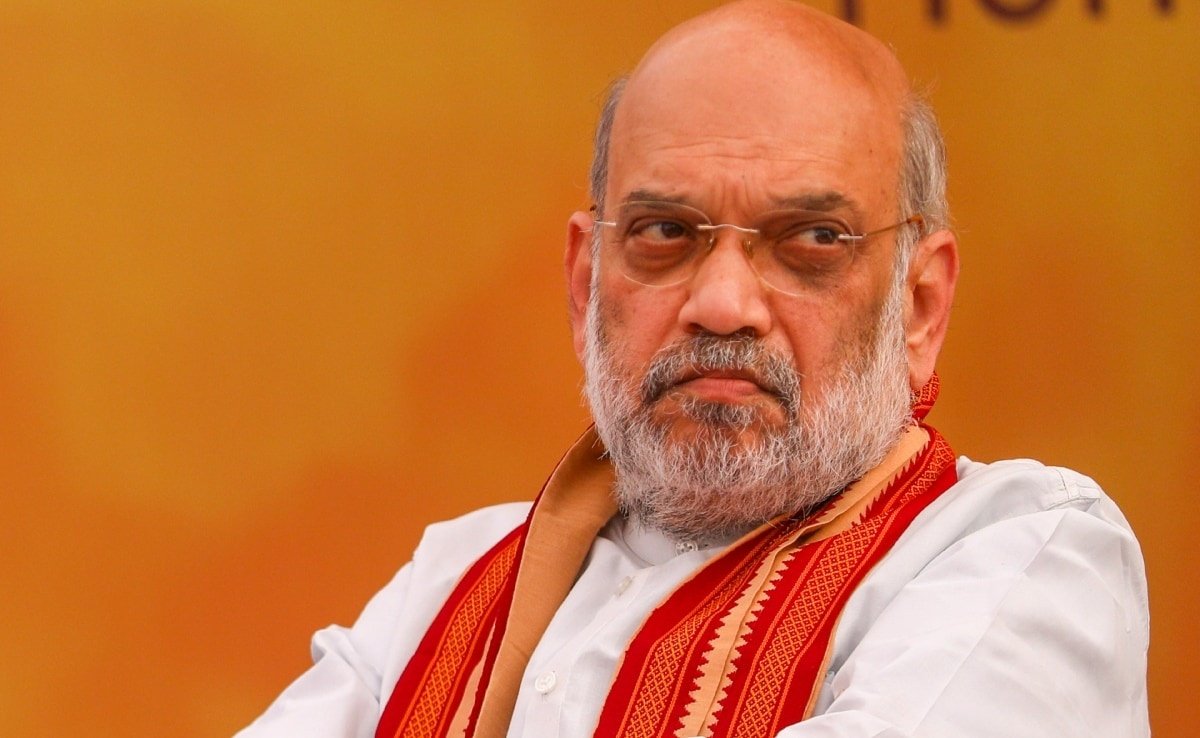
NEW DELHI: Addressing growing concerns over a unified legal framework, Union Home Minister Amit Shah categorically asserted that the proposed Uniform Civil Code (UCC) will not impact India’s indigenous communities. He urged the tribal population to reject “conspiracies” and misinformation aimed at creating divisions.
Speaking on Sunday at the Janjati Sanskritik Samagam at the Red Fort grounds—a national tribal conclave marking the 150th birth anniversary year of Bhagwan Birsa Munda—Shah emphasized that the Central government has institutionalized clear statutory boundaries to protect indigenous identity.
Key Takeaways: Safeguarding Tribal Autonomy
-
Absolute Legal Exemption: The Home Minister clarified that no provision of the UCC will be imposed upon tribal or Vanvasi society. He highlighted that BJP-ruled states implementing the code (such as Uttarakhand and Assam) have explicitly written complete exclusions for tribal communities into their draft bills.
-
Preservation of Customary Law: Shah gave an ironclad assurance that the proposed unified laws will not interfere with the unique traditions, marriage rituals, inheritance customs, or land-worship practices of any tribal group.
-
Grassroots Awareness Campaign: The Home Minister appealed to the delegates present to act as ambassadors, urging them to carry this message into remote forest regions, hills, and villages to dispel fear-mongering by political opponents.
Declaration of Victory Over Naxalism
Beyond legal frameworks, the Home Minister delivered a major internal security update, declaring that India is on the verge of being completely liberated from Left-Wing Extremism (LWE):
“Those who stalled the development of tribal society through violence caused the deaths of 40,000 tribal people. Today, I can proudly say that our country has eliminated this five-decade-old scourge and is moving towards becoming fully free from the Naxal problem.”
Shah noted that with the resolution of the security crisis, the government is shifting its full focus toward rapid infrastructure, healthcare, and economic development across historical tribal redoubts.
Welfare Spending and Political Representation
Shah drew a sharp contrast between the current administration’s record and previous regimes regarding fiscal allocation and political empowerment for indigenous communities:
| Parameter | Previous Congress Framework | Current Modi Administration |
| Annual Tribal Welfare Budget | ₹28,000 Crore | ₹1.5 Lakh Crore |
| Highest Constitutional Office | Zero tribal representation in 76 years | Droupadi Murmu elevated as President of India |
| Institutional Dedicated Focus | Merged ministries | Creation of a separate Ministry of Tribal Affairs (under former PM AB Vajpayee) |
He also highlighted the appointment of tribal Chief Ministers in Odisha and Chhattisgarh as proof of genuine political empowerment, alongside the BJP’s sweep of all 16 tribal-reserved seats in the recent West Bengal elections.
Stance on Conversions and Cultural Sustainability
Addressing the sensitive issue of religious conversions in tribal belts, the Home Minister reaffirmed the constitutional right to dignity and spiritual choice. He warned that no individual or organization has the right to alter another person’s faith through greed, temptation, or inducement.
Describing the massive gathering—organized by the Janjati Suraksha Manch and the Vanvasi Kalyan Ashram—as the most significant pan-India mobilization since Birsa Munda’s historical Ulgulan (rebellion), Shah concluded that the tribal way of life offers the global community a model of sustainable development and environmental harmony that the nation is duty-bound to protect.