



ITANAGAR: In a major move aimed at safeguarding the demographic and socio-cultural fabric of the state, the Arunachal Pradesh government has decided to form four High-Powered Committees to address critical issues concerning indigenous identity and border security. The panels will specifically examine the issuance of Arunachal Pradesh Scheduled Tribe (APST) certificates, the status of non-APST offspring, the strengthening of the Inner Line Permit (ILP) framework, and the containment of illegal infiltration.
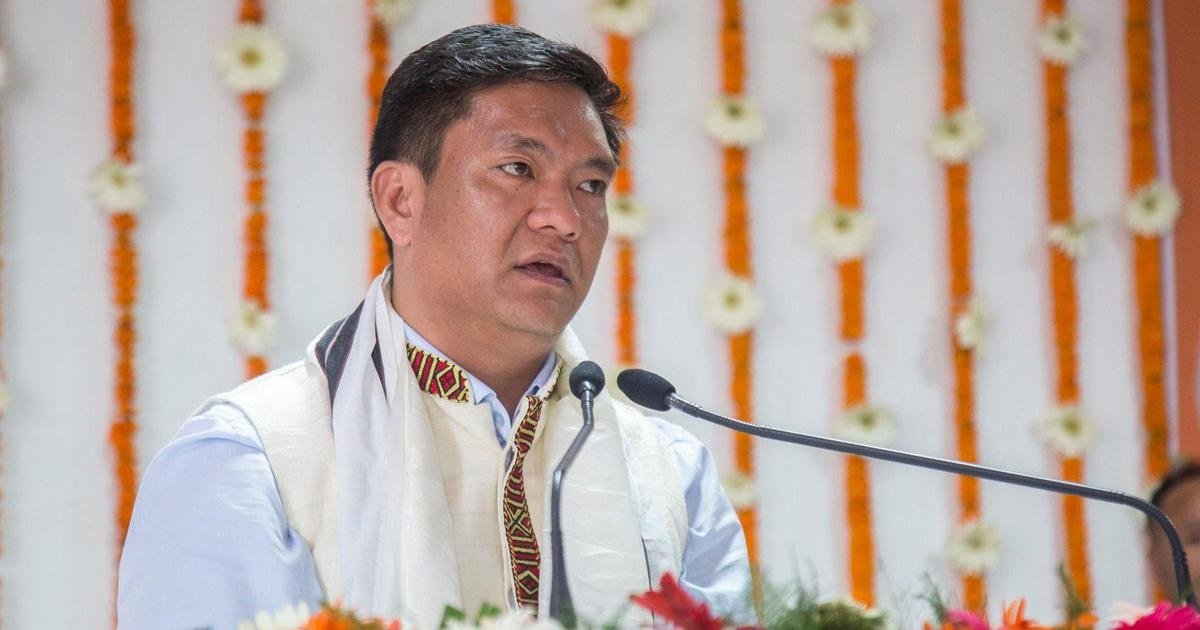
The announcement was made by Chief Minister Pema Khandu following extensive high-level deliberations with key indigenous bodies, student unions, legal experts, and state administration officials.
Core Mandate of the Four Committees
The decision to constitute these separate committees is a direct outcome of structured discussions held with the Arunachal Indigenous Tribes Forum (AITF), the All Arunachal Pradesh Students’ Union (AAPSU), Community-Based Organisations (CBOs), and the ST Bachao Andolan Committee.
The committees are tasked with reviewing and recommending legislative and administrative measures on four definitive fronts:
-
Re-verification of APST Certificates: Establishing rigorous vetting mechanisms to audit and re-verify existing tribal certificates to eliminate fraudulent claims.
-
The Non-APST Offspring Issue: Examining the legal and social status, rights, and privileges of children born to APST mothers and non-APST fathers.
-
ILP Framework & 2026 Guidelines: Conducting a comprehensive review of the newly updated ILP Guidelines 2026 to identify loopholes and strengthen regional entry regulations.
-
Combating Illegal Infiltration: Formulating strict operational mechanisms to detect, monitor, and curb illegal migration into the border state.
The high-powered panels are required to submit their definitive recommendations within a six-month timeline. However, state officials noted that this duration could be extended if extensive field studies and wider stakeholder consultations require additional time.
New Dedicated Department for ILP Enforcement
To ensure that the recommendations do not just remain on paper, Chief Minister Pema Khandu announced that the state government will set up a separate, dedicated government department solely focused on the Inner Line Permit (ILP) system.
This new administrative body will be solely responsible for the strict enforcement of entry permits, monitoring migrant transit, and deploying technology-driven tracking to safeguard the constitutional and land rights of the indigenous tribal communities.
Response to Sustained Indigenous Demands
The administrative breakthrough follows intense pressure from local student groups and tribal unions who have long protested against demographic shifts, lax border monitoring, and the dilution of tribal identity benefits.
The formulation of the committees materialised after back-to-back marathon meetings, including an intense eight-hour consultative session chaired by the Chief Minister on May 27, followed by a final wrap-up meeting at the Civil Secretariat. By bringing legal experts and the ST Bachao Andolan Committee onto a common platform, the state government aims to deliver a legally resilient framework to address these long-pending ethno-political concerns.