



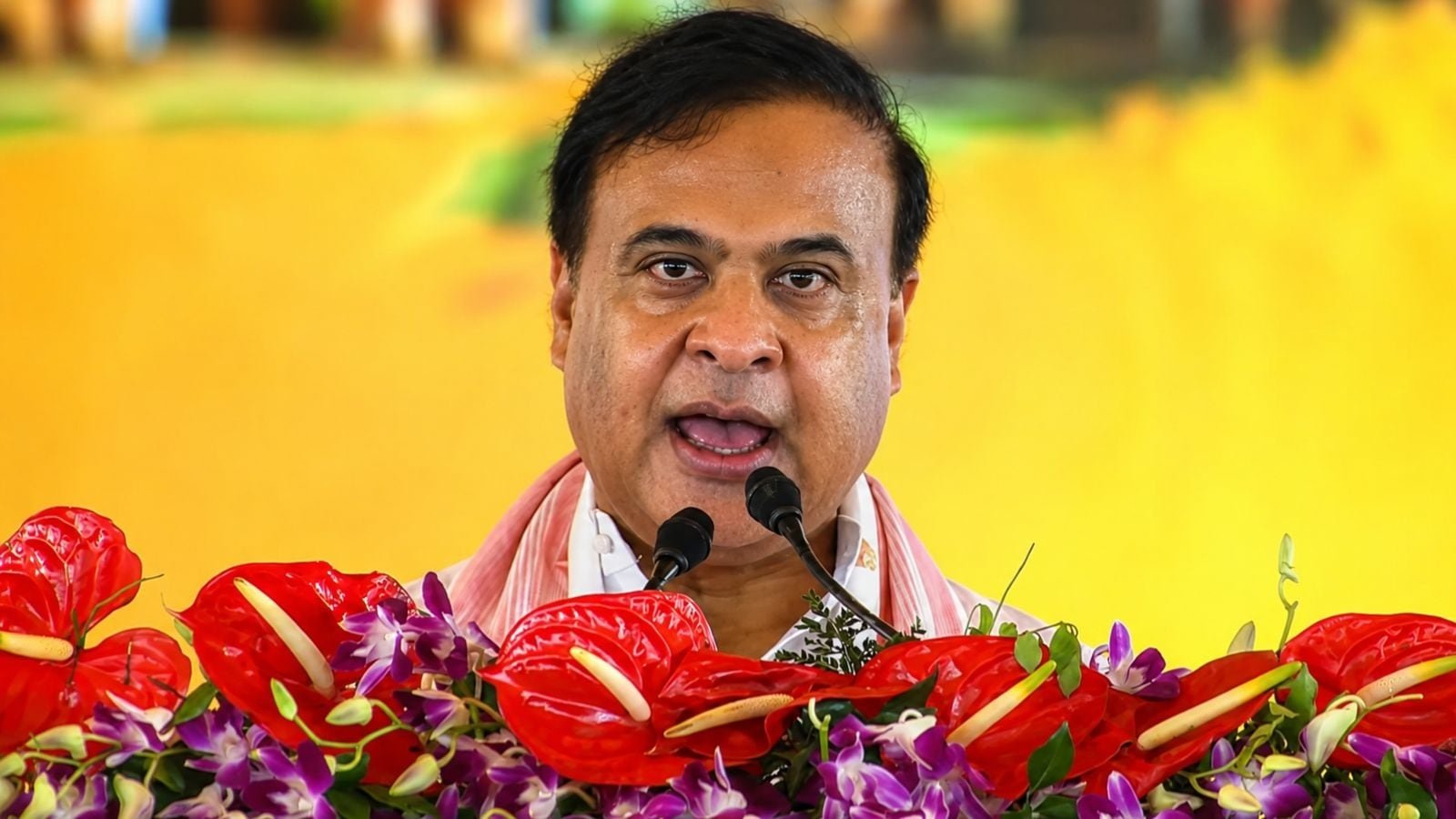
DISPUR: In a highly significant legislative move, the Government of Assam has officially tabled the Uniform Civil Code (UCC) Bill in the State Legislative Assembly. The landmark bill, which aims to replace diverse faith-based personal laws with a single, unified legal framework, was introduced by Parliamentary Affairs Minister Atul Bora on behalf of Chief Minister Himanta Biswa Sarma.
The tabling occurred amid strong protests from opposition MLAs, who unsuccessfully urged the Speaker to block the bill’s introduction. The ongoing assembly session has been extended by an extra day until May 27, with detailed floor debates on the provisions scheduled to commence on Tuesday.
With this move, Assam is positioned to become the third Indian state to implement a Uniform Civil Code, following the legislative precedents set by Uttarakhand and Gujarat.
Core Pillars of the Proposed Assam UCC
The proposed legislation focuses heavily on gender parity, legal uniformity, and protection rights. The government has confirmed that the bill targets four primary legal areas:
-
Uniform Marriage Age: Establishing a legally binding, uniform minimum age of marriage across all communities.
-
Abolition of Polygamy: Legally outlawing bigamy and polygamous practices to protect marital integrity.
-
Gender Equality in Inheritance: Rewriting succession frameworks to guarantee absolute equal inheritance and property rights for women.
-
Regulation of Live-In Relationships: Introducing strict mandates for the compulsory registration of both marriages and divorces, alongside statutory clauses to regulate live-in partnerships.
Exemptions for Tribal Communities
Addressing long-standing regional and cultural anxieties, Chief Minister Himanta Biswa Sarma has categorically clarified that the state’s indigenous population will not be impacted by the new law. Tribal communities residing in both the hill and plain regions of Assam are completely exempted from the provisions of the proposed Uniform Civil Code, effectively protecting their customary laws and distinct traditional practices.
Constitutional and National Context
The push for a Uniform Civil Code addresses one of the most long-debated intersections of Indian constitutional law:
The Constitutional Balance: While Articles 25–28 of the Indian Constitution guarantee absolute religious freedom and allow faith-based groups to manage their own personal affairs, Article 44 (part of the Directive Principles of State Policy) explicitly mandates that the State shall endeavor to secure a Uniform Civil Code for all citizens throughout the territory of India.
Currently, personal matters like marriage, divorce, alimony, adoption, and property division in India are fractured across community-specific personal laws governed by distinct religious scriptures. The Assam government maintains that the new bill bridges this gap, establishing a singular civic standard to foster social justice and equal protection under the law.