



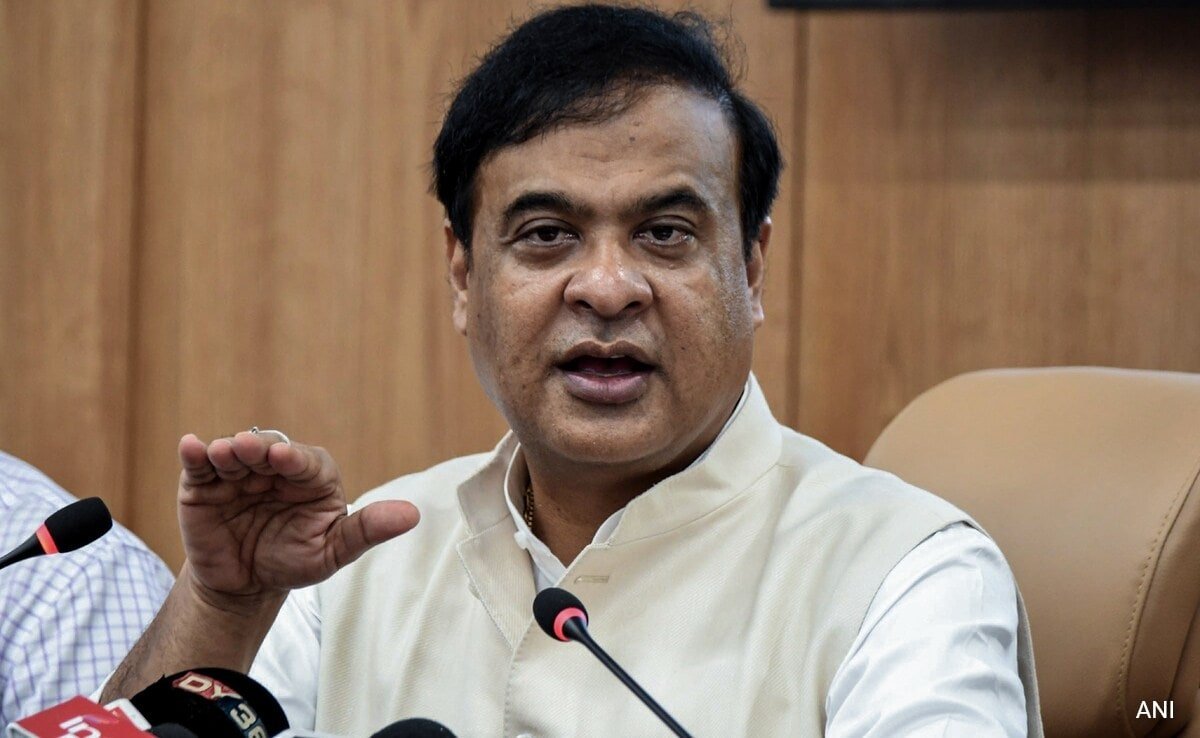
GUWAHATI: In a major legislative development, the Assam government on Monday introduced the Uniform Civil Code (Assam) Bill, 2026 in the state Legislative Assembly. In addition to creating a unified civil framework for personal laws, the bill introduces a comprehensive statutory framework regulating live-in relationships, making their registration mandatory under the law.
The draft legislation was formally tabled by Parliamentary Affairs Minister Atul Bora on behalf of Chief Minister Himanta Biswa Sarma.
Mandatory Registration and Strict Eligibility Boundaries
The bill seeks to formalize non-traditional domestic partnerships, establishing a strict legal protocol for couples cohabitating without formal marriage:
-
The 30-Day Window: Couples opting for a live-in relationship must formally register their partnership with designated state authorities within one month of entering the arrangement.
-
The Prohibition on Polygamy: A live-in relationship will be summarily denied registration if either partner is already legally married. This aligns directly with the bill’s overarching framework, which explicitly bans polygamy across the state.
-
Minor Protection Clause: The Bill completely bars minors (individuals under 18 years of age) from entering into or registering live-in relationships.
-
Consent Verification: Registration will be denied if the state review finds evidence of force, fraud, or coercion by either partner.
Securing Legal Rights for Partners and Children
According to the statement of objects and reasons accompanying the Bill, the mandatory registration model is designed to provide safety nets for vulnerable individuals within these unions:
The Legal Framework: “For the first time, the Bill provides a legal framework for live-in relationships. By requiring registration, the law ensures that the rights of partners—and any children born from such unions—are formally recognised and protected.”
To achieve this, the bill introduces two unprecedented legal protections:
-
Legitimacy of Offspring: The bill explicitly states that any child born out of a registered or unregistered live-in relationship will be legally deemed the legitimate child of the couple, ensuring full inheritance and ancestral property rights.
-
Alimony and Maintenance: In cases of desertion, the bill grants the abandoned live-in partner explicit legal standing to approach the judiciary to claim financial maintenance and alimony, mirroring protections historically reserved for married spouses.
The National Legal Landscape
While traditional marriages (Biya) remain the cornerstone of Assamese societal structure, the state’s move to codify live-in unions addresses a growing contemporary demographic reality.
Nationally, live-in relationships between consenting adults are legal in India, protected under the right to life and personal liberty guaranteed by Article 21 of the Constitution. While the Supreme Court of India has historically stepped in to protect long-term, marriage-like partnerships on a case-by-case basis, Assam’s bill represents an aggressive push to formalize and monitor these private unions through state-level statutory mandates.