



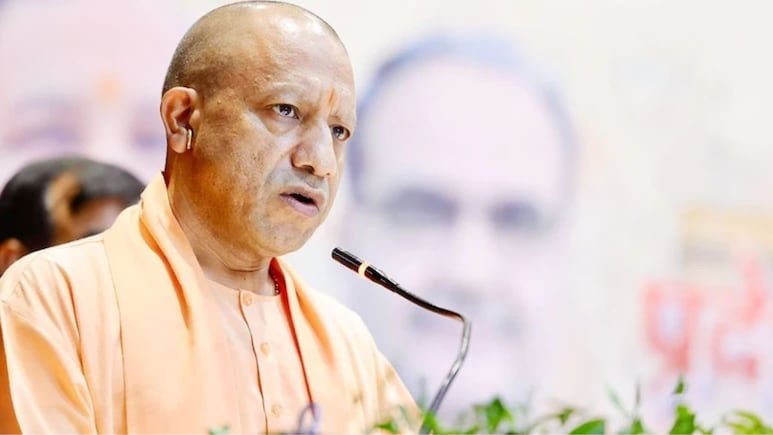
LUCKNOW – Uttar Pradesh Chief Minister Yogi Adityanath has declared a “zero tolerance” policy regarding the rights and dignity of the state’s workforce. Chairing a high-level review on Wednesday, the CM emphasized that any compromise on social security, timely wages, or statutory benefits for workers will result in immediate legal consequences.
The directive follows recent violent protests in Gautam Buddh Nagar (Noida), where public property was vandalized and police vehicles were torched during industrial demonstrations.
Key Policy Directives
-
Strict Accountability: A state-wide probe has been ordered into recruitment and labor agencies to verify actual worker counts, wage disbursements, and compliance with ESI and insurance protocols.
-
Grievance Redressal: Every industrial unit, whether public or private, must establish a transparent cell to resolve worker complaints within a fixed timeframe.
-
Housing and Welfare: Industrial development authorities have been tasked with creating plans for affordable housing and dormitories for workers, shifting the focus from revenue generation to social responsibility.
-
Wage Compliance: The Chief Minister mandated that the revised wages, effective from April 1, must be paid to all workers without delay.
Action Against “Disruptive Elements”
Taking a stern view of the Noida unrest, CM Yogi instructed officials to identify “non-worker elements” who instigate strikes or spread misinformation. He suggested that photographs of such individuals be displayed in public places and ordered continuous social media monitoring to curb propaganda.
“Industrial harmony is paramount,” the CM stated, adding that while genuine workers’ rights must be protected, those hiding behind worker labels to cause disruption will face stringent action.
Focus on Quality of Life
The administration is also prioritizing the education of workers’ children and better healthcare facilities. CM Yogi directed officials to coordinate with banks to ensure insurance coverage is automatically linked to wage accounts to protect families in the event of accidents or untimely death.