



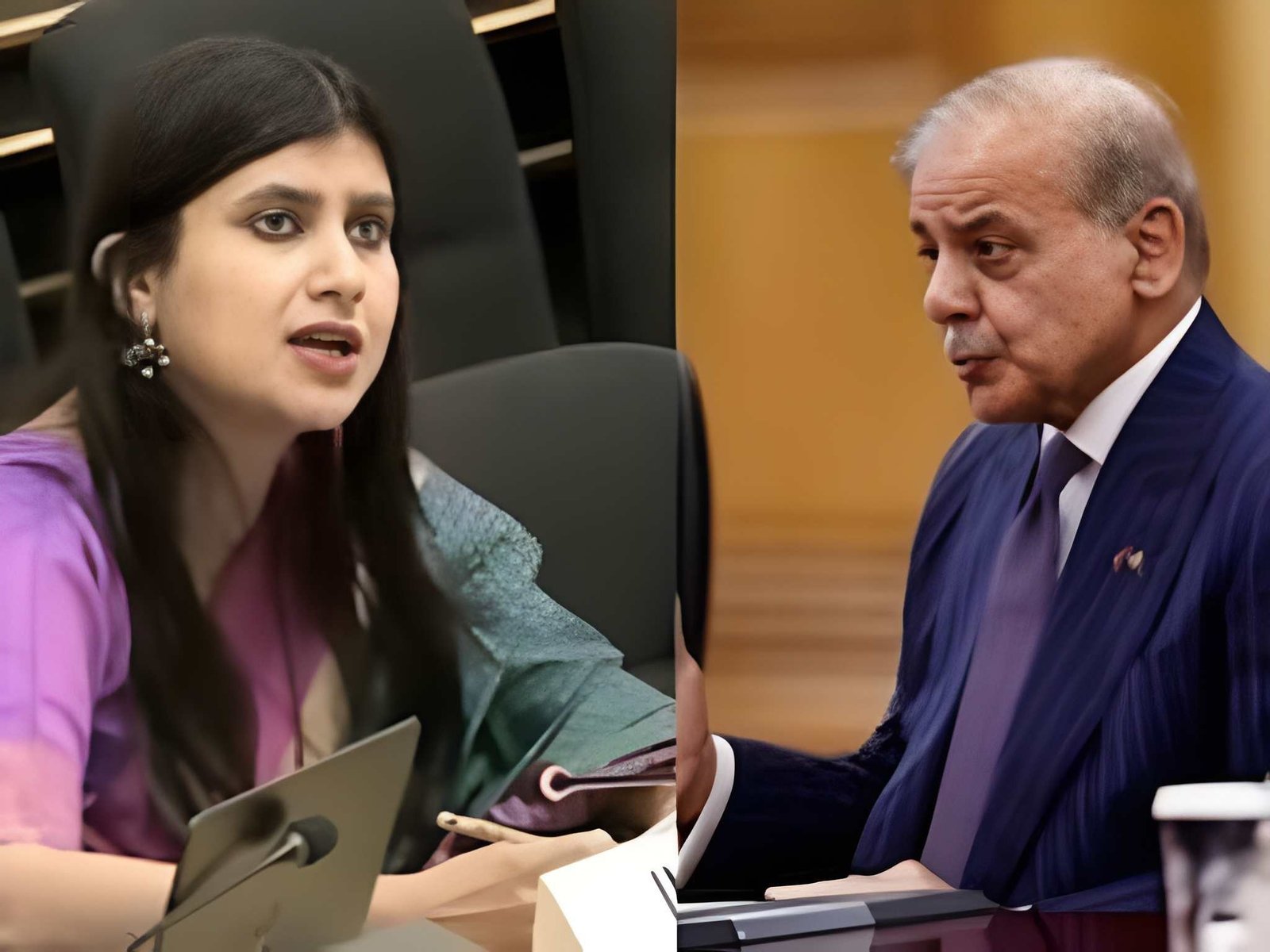
NEW DELHI / GENEVA — Launching a scathing diplomatic offensive at the 62nd Session of the United Nations Human Rights Council (UNHRC), India described Pakistan as a “Frankenstein state” that has systematically nurtured cross-border terrorism as state policy, only to face the inevitable fallout of its own creation.
Exercising India’s right of reply during the Interactive Dialogue on the UN High Commissioner’s annual report, First Secretary Anupama Singh delivered a sharp rebuttal following the Pakistani representative’s attempts to raise the issue of Jammu and Kashmir at the international forum.
Key Diplomatic Takeaways from the UNHRC Session
1. The Paradox of Sponsoring Terror
India rejected Islamabad’s attempt to position itself as a victim of global terrorism, labeling the narrative an unsustainable paradox.
“This is the country where the sitting Defence Minister boasts of hosting, training, and deploying terrorists as a state policy, and yet Pakistan calls itself a victim of terrorism… It is a living example of a Frankenstein state which is shocked when its own monster bites back.”
— Anupama Singh, First Secretary at India’s Permanent Mission to the UN
2. Sovereignty and Domestic Crackdowns in PoJK
Reiterating New Delhi’s foundational position, Singh asserted that the entire Union Territory of Jammu and Kashmir remains an integral and inalienable part of India, stating that the only unresolved matter is the vacation of territories under illegal Pakistani occupation.
The diplomat turned the spotlight on the severe internal crisis and human rights violations unfolding in Pakistan-occupied Jammu and Kashmir (PoJK), specifically referencing recent deadly crackdowns on civilian protesters in Rawalakot:
-
Systemic Repression: Decades of military land acquisitions, forced demographic engineering, and the denial of civil liberties have destabilized the region.
-
Economic Backlash: Localized civil unrest over hyperinflation, surging electricity costs, and basic food shortages are being routinely met with state force and communication blackouts.
Hardening Stance on the Outdated Indus Waters Treaty
The diplomatic confrontation extended to the status of the 1960 Indus Waters Treaty (IWT). The decades-old, World Bank-brokered water-sharing pact was held in abeyance by New Delhi following the deadly, Pakistan-backed Pahalgam terror attack, which claimed 26 civilian lives.
India maintained that bilateral treaties premised on goodwill cannot operate in a vacuum of state-sponsored hostility:
-
Accountability Deficit: India argued that a state exporting terror as an instrument of geopolitical leverage cannot simultaneously demand the structural privileges of peaceful, cooperative resource sharing.
-
The Necessity of Modification: Highlighting that the 1960 framework has been left frozen in time for over six decades, the Indian delegation noted the treaty is fundamentally outdated and must face modern accountability checks, reflecting present-day geopolitical and ecological realities.
The sharp exchange at Geneva signals a continued hardening of India’s stance, reinforcing a zero-tolerance policy where diplomatic cooperation, regional water arrangements, and cross-border terrorism can no longer coexist.