



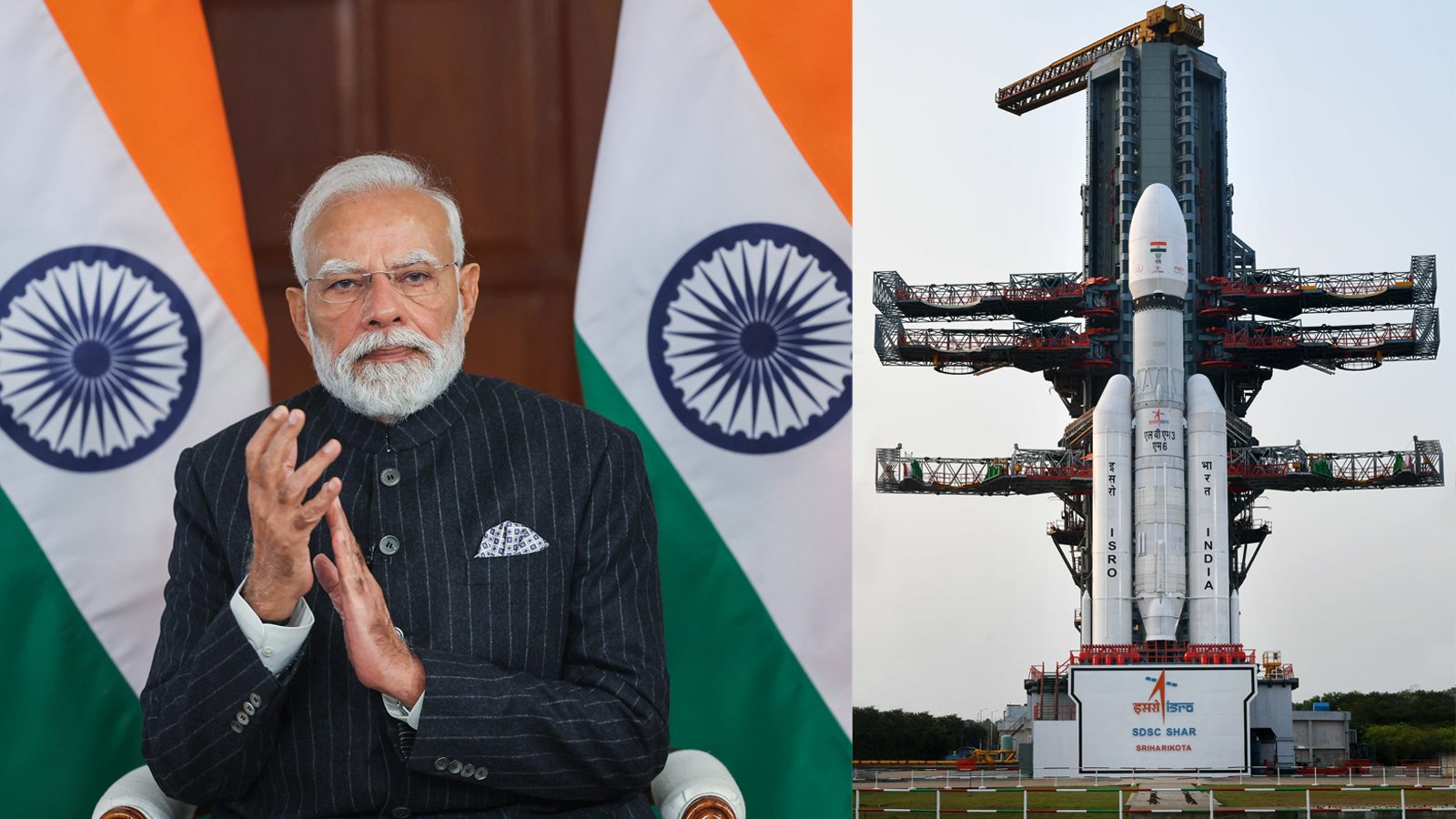
SRIHARIKOTA — The Indian Space Research Organisation (ISRO) successfully executed the pre-dawn launch of its Geosynchronous Satellite Launch Vehicle (GSLV-F17) from the Satish Dhawan Space Centre on September 4, 2026, at 2:55 AM IST.
The mission successfully injected EOS-05, India’s first-ever Earth imaging satellite operating from a geosynchronous orbit, into its targeted sub-geosynchronous transfer orbit (sub-GTO). Prime Minister Narendra Modi commended ISRO for the milestone, highlighting the growing synergy between public space programs and private domestic industry partners.
Technical Specifications and Mission Parameters
-
Launch Vehicle: GSLV-F17 (3-stage heavy launch system; 51.7 meters tall with a liftoff mass of 420.5 tonnes).
-
Mission Designation: 19th flight of ISRO’s GSLV program.
-
Payload: EOS-05 advanced Earth observation satellite. Marked as the heaviest payload ever deployed by a GSLV into a geosynchronous transfer orbit.
-
Orbital Altitude: Designed for stationary observation positioning approximately 36,000 km above Earth to deliver near-real-time continuous imaging capabilities.
-
Sensor Capabilities: Equipped with multi-band payload systems capable of high-resolution imaging across visible, infrared, multispectral, and hyperspectral bands.
Executive Leadership and Mission Management
-
ISRO Chairman: Dr. V. Narayanan confirmed precision orbit insertion and overall system performance.
-
Mission Director: Thomas Kurian cited the flight as a critical operational milestone for the GSLV program and highlighted the role of industrial collaboration in scaling payload capacities.
-
Union Science & Technology Minister: Union Minister Dr. Jitendra Singh reiterated that continuous imaging from a 36,000 km geostationary vantage point significantly upgrades national disaster management, environmental monitoring, and geospatial analysis infrastructure.