



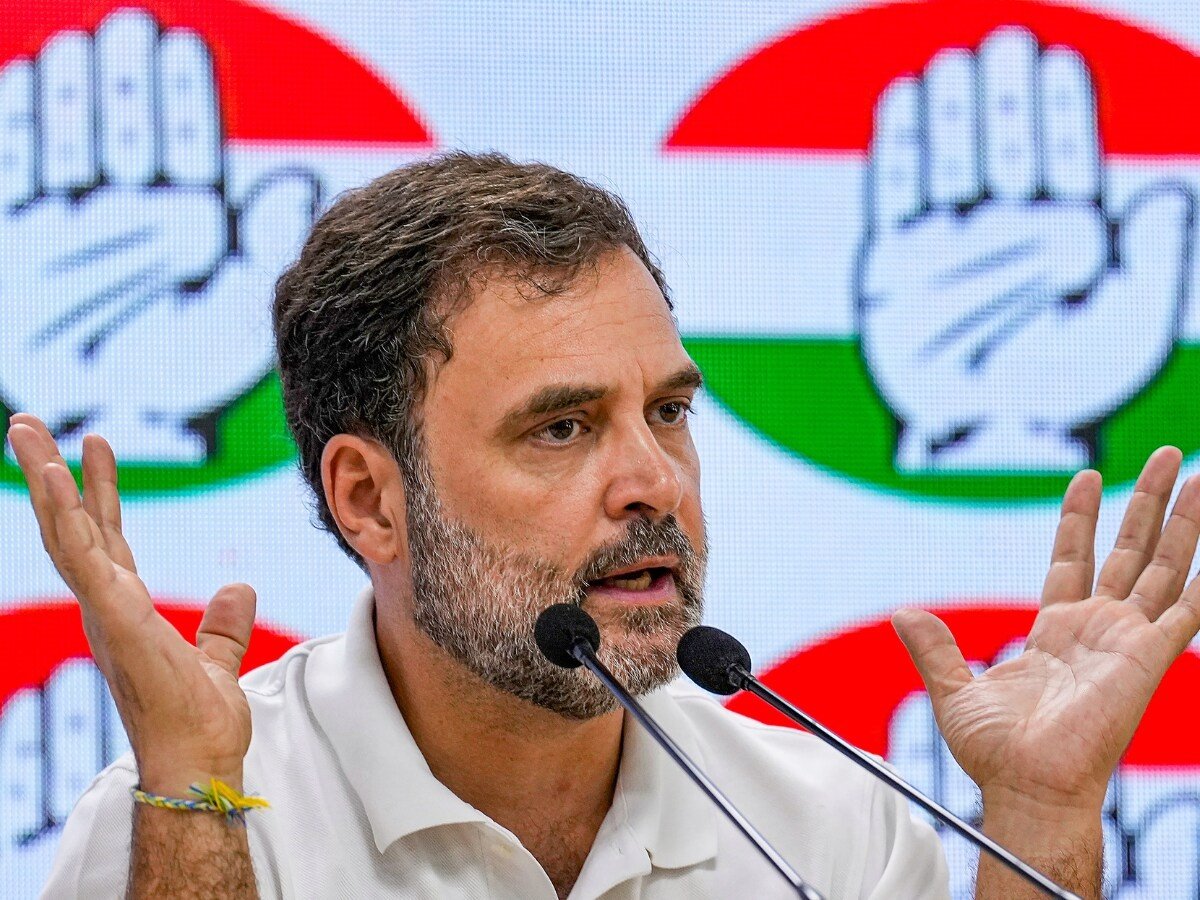
NEW DELHI: In a major political realignment, the Congress party’s central leadership has successfully executed a high-stakes chief ministerial swap in Karnataka, replacing veteran leader Siddaramaiah with DK Shivakumar. Driven directly by Rahul Gandhi, the move signals a transition from factional drift to decisive central command, driven by critical insights gained from past missteps in Rajasthan and Chhattisgarh.
The strategic shift underlines a clear institutional priority: ensuring regional winnability and internal cohesion ahead of the 2029 Lok Sabha elections and the 16 state assembly elections leading up to it.
Inside the Karnataka Leadership Swap
The transition of power in Karnataka—originally envisioned around the government’s half-way mark in November last year—was pushed past the finish line through direct high-command intervention.
-
The Negotiations: Rahul Gandhi, alongside party president Mallikarjun Kharge, Priyanka Gandhi Vadra, and General Secretary KC Venugopal, held intense consultations. This culminated in a definitive 35-minute one-on-one meeting between Rahul Gandhi and Siddaramaiah.
-
The Pitch: While Siddaramaiah argued that the party’s best chance at re-election lay under his leadership, Gandhi remained firm, persuading the veteran OBC leader to look beyond state boundaries and focus on the national “big picture” for 2029.
-
The Precedent: This decisive approach mirrors the party’s handling of the Kerala chief ministerial race earlier this year. In Kerala, despite initials plans leaning toward family confidant KC Venugopal, the leadership pivoted to VD Satheesan after data and ally consultations showed he was the voters’ choice.
Learning from Past Factional Crises
The decisive handling of the Siddaramaiah-Shivakumar transition stands in stark contrast to the costly political dithering that previously plagued the Congress in other key states:
| State & Timeline | Factional Rivals | Central Leadership Response | Political Outcome |
|
Rajasthan (2022–2023) |
Ashok Gehlot vs. Sachin Pilot |
The high command hesitated to enforce a leadership change despite Sonia Gandhi’s preference for the younger Pilot. | Irreparable internal rifts led directly to the party’s defeat in the 2023 Assembly elections. |
|
Chhattisgarh (2018–2023) |
Bhupesh Baghel vs. TS Singh Deo |
The party failed to implement a rumored rotational CM deal due to consistent pushback and pressure from Baghel. | A lingering divide festered, resulting in Congress tumbling from 69 seats to just 35 in the next poll. |
|
Karnataka (2026) |
Siddaramaiah vs. DK Shivakumar |
Acted decisively at the 2.5-year mark, managing rival vote banks and enforcing the power-sharing transition. | Successfully averted a public revolt, preserving party unity for upcoming electoral cycles. |
The Evolution of Congress’ Strategy
Insiders reveal that the Congress core committee has evolved into a leaner, more responsive decision-making unit. Rahul Gandhi now operates with the institutional weight of Mallikarjun Kharge, a structured feedback system engineered by KC Venugopal, and close political counsel from Priyanka and Sonia Gandhi.
By choosing immediate structural corrections over prolonged internal friction, the high command has made it clear that personal ambitions will remain secondary to organizational sustainability and the long-term blueprint for the 2029 national elections.