



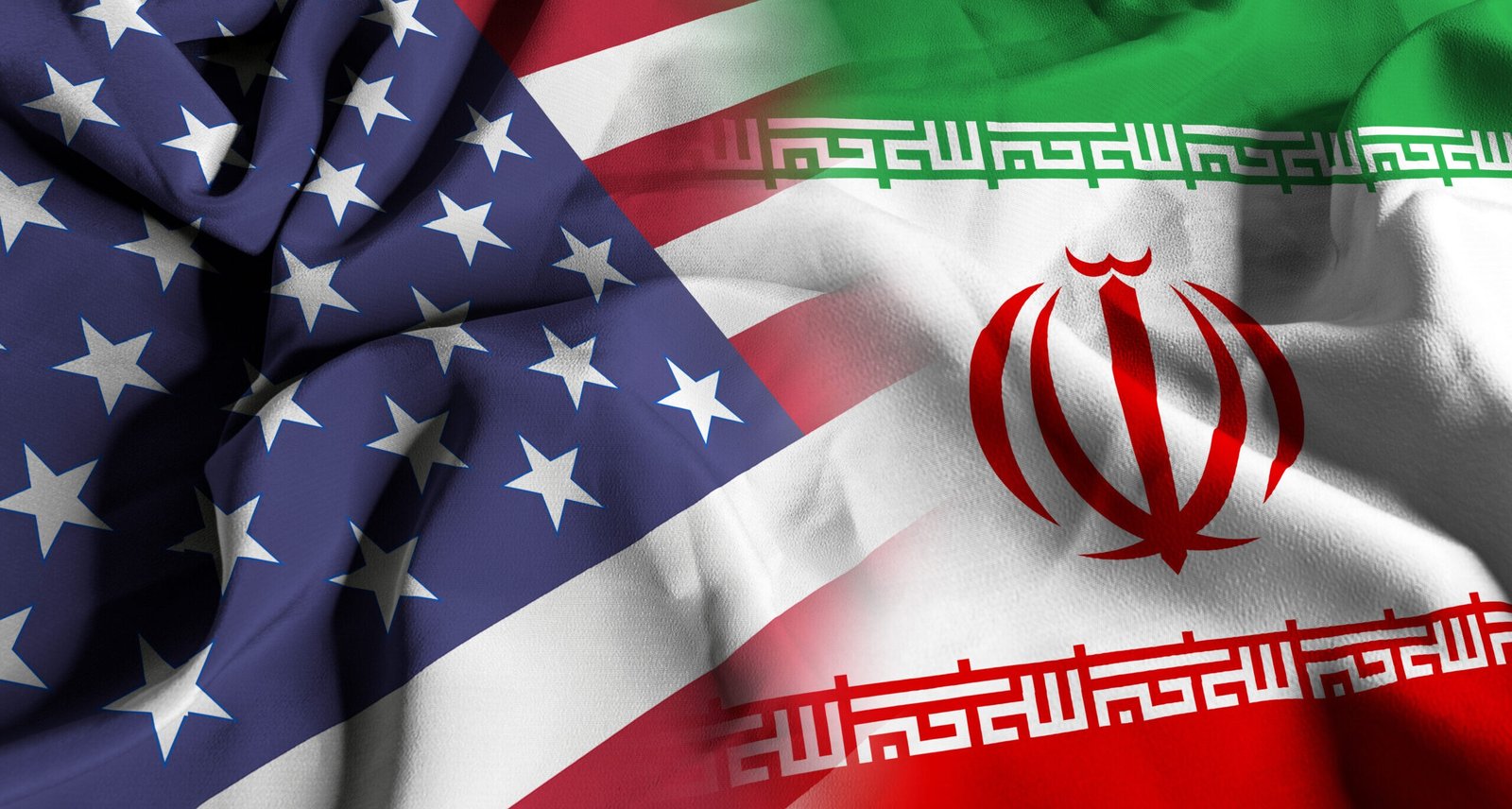
TEHRAN / WASHINGTON — In a major diplomatic breakthrough after three months of regional conflict, the United States and Iran are reportedly closing in on a one-page memorandum of understanding (MOU). The 14-point framework aims to halt active warfare and establish a 30-day window for intensive nuclear negotiations.
The “Grand Bargain” Framework
According to reports from Axios and Reuters, the deal—brokered in part by mediators in Pakistan—hinges on high-stakes concessions from both sides:
-
For Iran: A moratorium on nuclear enrichment (likely for 12–15 years), a permanent pledge never to seek nuclear weapons, the closure of underground facilities, and the acceptance of “snap” UN inspections.
-
For the US: The gradual lifting of economic sanctions and the release of billions of dollars in frozen Iranian assets worldwide.
-
Regional Stability: Both nations would lift transit restrictions in the Strait of Hormuz, a vital global energy artery.
“Deal or Bomb”: The Trump Ultimatum
President Donald Trump expressed optimism about the “very possible” deal but maintained a characteristic “carrot-and-stick” approach. While praising the recent 24 hours of talks involving envoys Steve Witkoff and Jared Kushner, Trump warned that if negotiations fail, US bombing would resume “at a much higher level and intensity.”
Tehran’s Cautious Response
Iran has not yet formally accepted the proposal. Foreign Ministry spokesperson Esmaeil Baqaei stated the plan is “under review,” while Parliament Speaker Mohammad Bagher Ghalibaf remains wary, accusing Washington of trying to force a “surrender” through naval blockades and economic pressure.
Key Points of the MOU
| Provision | Detail |
| Nuclear Enrichment | Moratorium for 12–15 years; low-level enrichment (3.67%) thereafter. |
| Sanctions Relief | US to release frozen funds and phase out economic sanctions. |
| Verification | Enhanced IAEA inspections, including “snap” visits. |
| Next Steps | A 30-day negotiation period in Islamabad or Geneva. |
The world now waits for Tehran’s formal response, expected within the next 48 hours, to see if this “thin framework” can transform a hot war into a cold, but stable, peace.