



NEW DELHI — In a major political development that deals a severe blow to the opposition ahead of the Monsoon session, the 20-MP strong rebel faction of the Trinamool Congress (TMC) has announced it will merge with the Nationalist Citizens’ Party.
The move drastically shrinks the TMC’s strength in the Lok Sabha from 28 to just eight members, triggering a high-stakes constitutional battle over the anti-defection law.
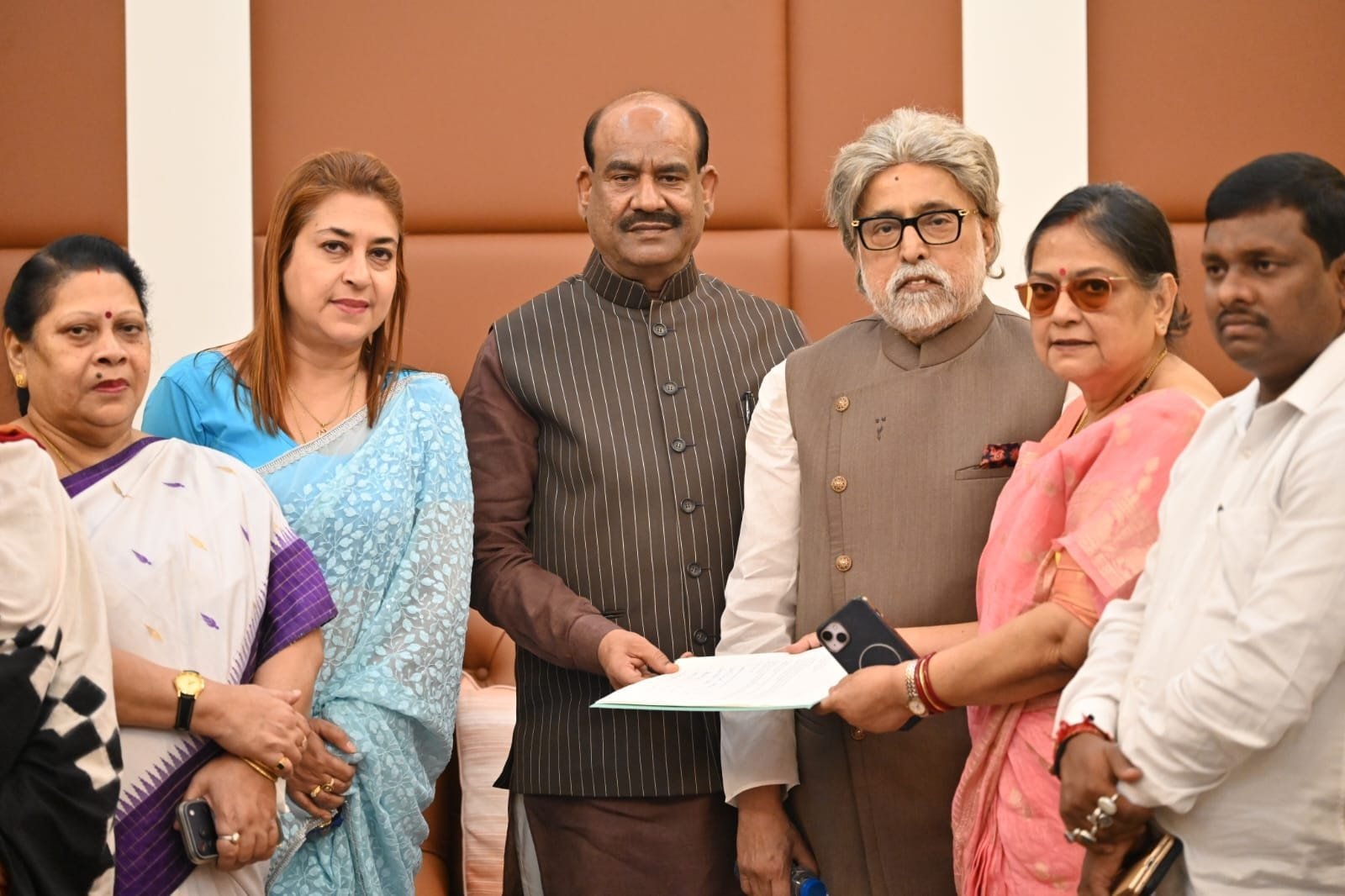
Led by veteran MP Kakoli Ghosh Dastidar, the rebel group met Lok Sabha Speaker Om Birla on Sunday to submit their formal merger letter. Speaking after the meeting, Dastidar confirmed that the rebel MPs would now sit separately in the House.
“We command a two-thirds majority. We will be part of the NDA and work under the leadership of Prime Minister Narendra Modi,” Dastidar announced.
The Legal Strategy Behind the Merger
The choice to merge with the Nationalist Citizens’ Party—a low-profile regional party from Bengal that recently debuted in Tripura—is a calculated move to navigate India’s strict anti-defection laws. Under the Tenth Schedule of the Constitution, a faction must represent at least two-thirds of the legislative party and merge with another political entity to avoid disqualification.
Senior leader Sudip Bandyopadhyay, a long-time aide to former Chief Minister Mamata Banerjee who recently crossed over to the rebel camp, explained the strategy:
“When you leave with two-thirds of the party, you cannot demand the name of that party on day one,” Bandyopadhyay said. “In July, we will make a demand to give us the Trinamool name since we hold the two-thirds majority. Then the courts will decide.”
TMC Fights Back, Alleges ‘Betrayal’
The Trinamool Congress leadership reacted with fury to the announcement, labeling the rebel faction’s move an act of pure deceit.
“They contested the election under the Trinamool symbol, promising to strengthen the party under Mamata Banerjee’s leadership. Now they have moved away from that promise. That is a betrayal,” said senior TMC leader Madan Mitra. When asked if the party would mount a legal challenge, Mitra noted that the final decision rests with Mamata Banerjee, adding, “This is just the beginning.”
Pre-emptive Legal Strike
Anticipating the rebels’ move, the TMC leadership had launched a pre-emptive strike earlier in the day. TMC MPs Sagarika Ghose and Kirti Azad met Speaker Om Birla to deliver a formal letter from Abhishek Banerjee, the party’s number two and parliamentary chief.
The TMC’s argument hinges on a crucial legal distinction: the political party holds supremacy over the legislative party.
| TMC’s Legal Argument | Rebel Faction’s Counter |
| Party Supremacy: The legislative party cannot independently carve out a faction; the framework only recognizes one true political party. | The Two-Thirds Rule: Holding 20 out of 28 MPs fulfills the legal threshold required to split without immediate disqualification. |
| Disqualification: The law treats splintering as a disqualifying event, not a grounds for separate recognition. | Strategic Merger: Merging with an existing regional party insulates the bloc from immediate legal complications. |
With the rebel bloc firmly throwing its weight behind the ruling National Democratic Alliance (NDA), all eyes now turn to Speaker Om Birla, who must decide whether to accept the merger or uphold the TMC’s petition for disqualification.