



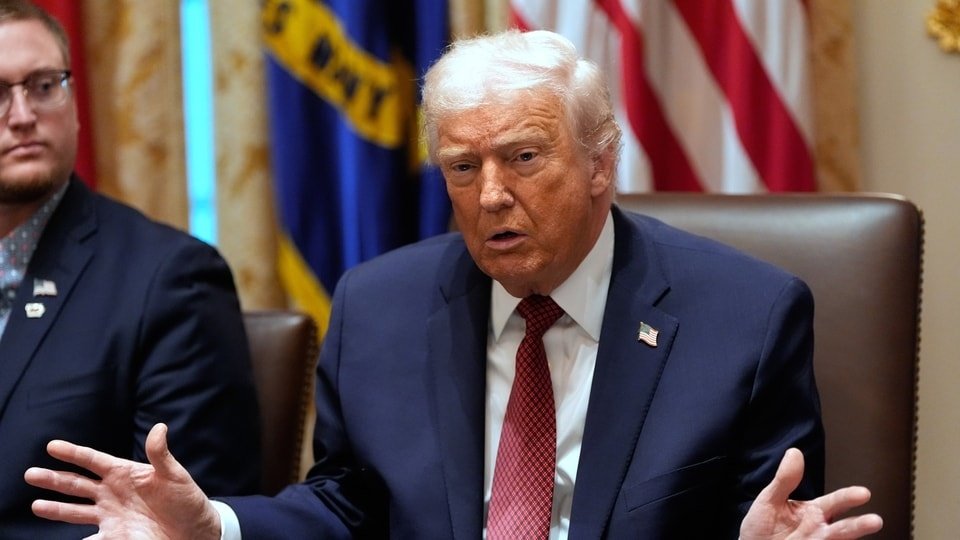
WASHINGTON: In a defining development for the ongoing global energy crisis, US President Donald Trump has stated that an end-of-war agreement with Iran is “not fully negotiated yet,” instructing his diplomatic team not to rush the process. Despite earlier indications that a comprehensive resolution was imminent, Washington has signaled a tactical shift—offering a conditional “olive branch” that could see a phased resolution to the maritime blockade.
The US and Iran have maintained a fragile ceasefire since April 8, following an intense military conflict that triggered one of the worst global energy shocks in history due to the closure of the critical Strait of Hormuz on February 28.
The Current Terms: Blockade and Phased Diplomacy
Taking to Truth Social to address swirling speculation, President Trump reinforced that the United States holds the geopolitical upper hand and will not prematurely ease economic pressure:
The Presidential Mandate: “I have informed my representatives not to rush into a deal at this time… If I make a deal with Iran, it will be a good and proper one… It isn’t even fully negotiated yet.” Trump confirmed that the sweeping US maritime blockade on Iranian shipping hubs will remain strictly in place until a permanent agreement “is reached, certified, and signed.”
However, statements from US Secretary of State Marco Rubio during his diplomatic visit to New Delhi indicate that Washington is willing to decouple immediate maritime relief from long-term nuclear disarmament. Rubio intimated that the US would accept an interim framework:
-
Immediate Reopening: The Strait of Hormuz must be fully reopened to international commercial shipping without delay.
-
The 60-Day Nuclear Window: Technical negotiations over Iran’s highly enriched uranium stockpiles and enrichment caps will be deferred for a 60-day window post-signing.
-
The Ultimatum: If a concrete nuclear resolution is not hammered out within those two months, the US reserves the right to resume direct military strikes, with Rubio warning that the President will retain “every option available to him in 60 days that he has available to him now.”
Iran’s Counter-Position: Asset Frosts and Sanction Relief
Reports from Tehran via the Tasnim and Fars news agencies confirm that while a preliminary text exists, several structural roadblocks remain unresolved.
Iranian President Masoud Pezeshkian stated on state television that Tehran is prepared to reassure international monitors that it does not seek nuclear weapons. However, Iranian negotiators are demanding immediate, tangible concessions:
-
Unfreezing of Capital: Iran is demanding the immediate release of billions in frozen foreign assets currently locked under international sanctions.
-
Temporary Energy Relief: According to regional briefs, a key clause in the draft ensures that sanctions on Iranian oil, gas, and petrochemical products will be temporarily lifted during the 60-day negotiation window, allowing Tehran to resume open-market energy exports.
Multilateral Mediation: The Regional Framework
Given the severe economic fallout of the shipping freeze, a massive coalition of regional powers has engaged in intense backchannel diplomacy to finalize the peace parameters.
President Trump held a high-level briefing call over the weekend with leaders from Saudi Arabia, the UAE, Qatar, Egypt, Jordan, and Bahrain, alongside representatives from Turkey and Pakistan. Pakistan, which successfully brokered the historic face-to-face bilateral talks between Washington and Tehran in April, is positioned to host the next decisive round of summits. Pakistani Prime Minister Shehbaz Sharif confirmed that Army Chief General Asim Munir recently concluded a two-day strategic visit to Tehran to align regional security protocols ahead of the next diplomatic push.