



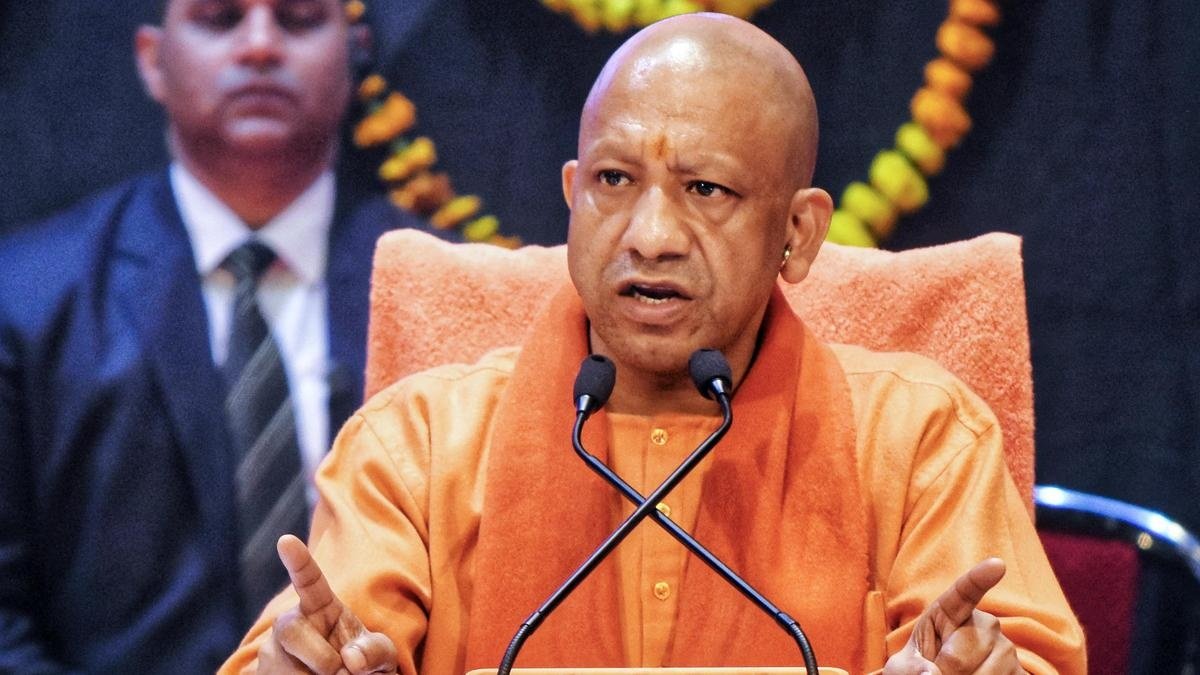
LUCKNOW: Prioritizing public order and communal harmony ahead of upcoming major festivals, Uttar Pradesh Chief Minister Yogi Adityanath has issued comprehensive security and administrative guidelines. Reviewing state preparations on Sunday, the Chief Minister explicitly stated that ritual animal sacrifices for Bakrid (Eid-al-Adha) will not be permitted in public spaces, mandating that all rituals be confined to private or pre-designated venues.
The directive forms part of a broader law-and-order blueprint aimed at ensuring zero public inconvenience during a heavy festive calendar that includes both Bakrid and Ganga Dussehra.
Key Takeaways: Bakrid Regulatory Framework
-
Restricted Sacrifice Zones: Ritual sacrifices are strictly forbidden in public areas and must only occur at designated locations. The Chief Minister emphasized that no new traditions or unapproved locations will be permitted, alongside a strict reinforcement on the ban of sacrificing prohibited animals.
-
Namaz Protocols: Mass prayers must be offered exclusively within traditional religious venues, Eidgahs, and mosques. The state has prohibited the offering of prayers on public roads or thoroughfares under any circumstances.
-
Sanitation and Meat Sale Rules: Districts must deploy a well-planned system for the immediate and hygienic disposal of animal waste. Additionally, the open sale of meat remains prohibited, illegal slaughterhouses will face immediate closure, and licensed facilities must not exceed their sanctioned processing capacities.
Security Deployment & High-Vigilance Zones
To preempt any communal friction, the Chief Minister held direct consultations with District Magistrates and Senior Superintendents of Police (SSPs) across historically sensitive pockets, including Aligarh, Bijnor, Saharanpur, Rampur, and Sambhal.
Administrators have been directed to execute preemptive flag marches in sensitive sectors and maintain continuous foot patrolling near all prominent religious sites. Furthermore, local intelligence teams are analyzing historical crime data to identify and monitor potential disruptive elements, while maintaining active, regular dialogue via localized peace committees at the police station, tehsil, and district levels.
Ganga Dussehra Preparations Amid Intense Heat
Reviewing arrangements for the upcoming Ganga Dussehra festival across major spiritual hubs—including Prayagraj, Varanasi, Ayodhya, Chitrakoot, Hapur, Muzaffarnagar, and Amroha—the Chief Minister stated that the safety and comfort of visiting devotees must be accorded the highest priority given the prevailing heatwave conditions. Mandated measures include the meticulous cleaning of ghats, secure river barricading, dedicated ambulance deployment, the provision of drinking water and shade, and streamlined parking management.
Broader Governance: Block-Level Chaupals & AYUSH Wellness Policy
During the expansive administrative review, Chief Minister Adityanath also rolled out several key structural and developmental directives for the state:
-
Weekly Block ‘Chaupals’: To streamline public grievance redressal, the state will launch weekly community gatherings at the block level. These chaupals will provide immediate resolution for unrecorded local issues, including revenue-related land disputes, domestic violence complaints, and extortion cases, while onboarding left-out eligible beneficiaries onto welfare schemes.
-
Health Sector Placements: A strict directive was issued to immediately fill all vacant Chief Medical Officer (CMO) posts across outlying districts.
-
UP AYUSH Health & Wellness Policy-2026: Reviewing the Department of AYUSH, Adityanath cleared guidelines to transition Uttar Pradesh from a treatment-centric system into a premier wellness destination. The model aims to integrate traditional AYUSH practices, Yoga, Panchakarma, and naturopathy with modern tourism and quality standards, driving private investment and local employment generation.