



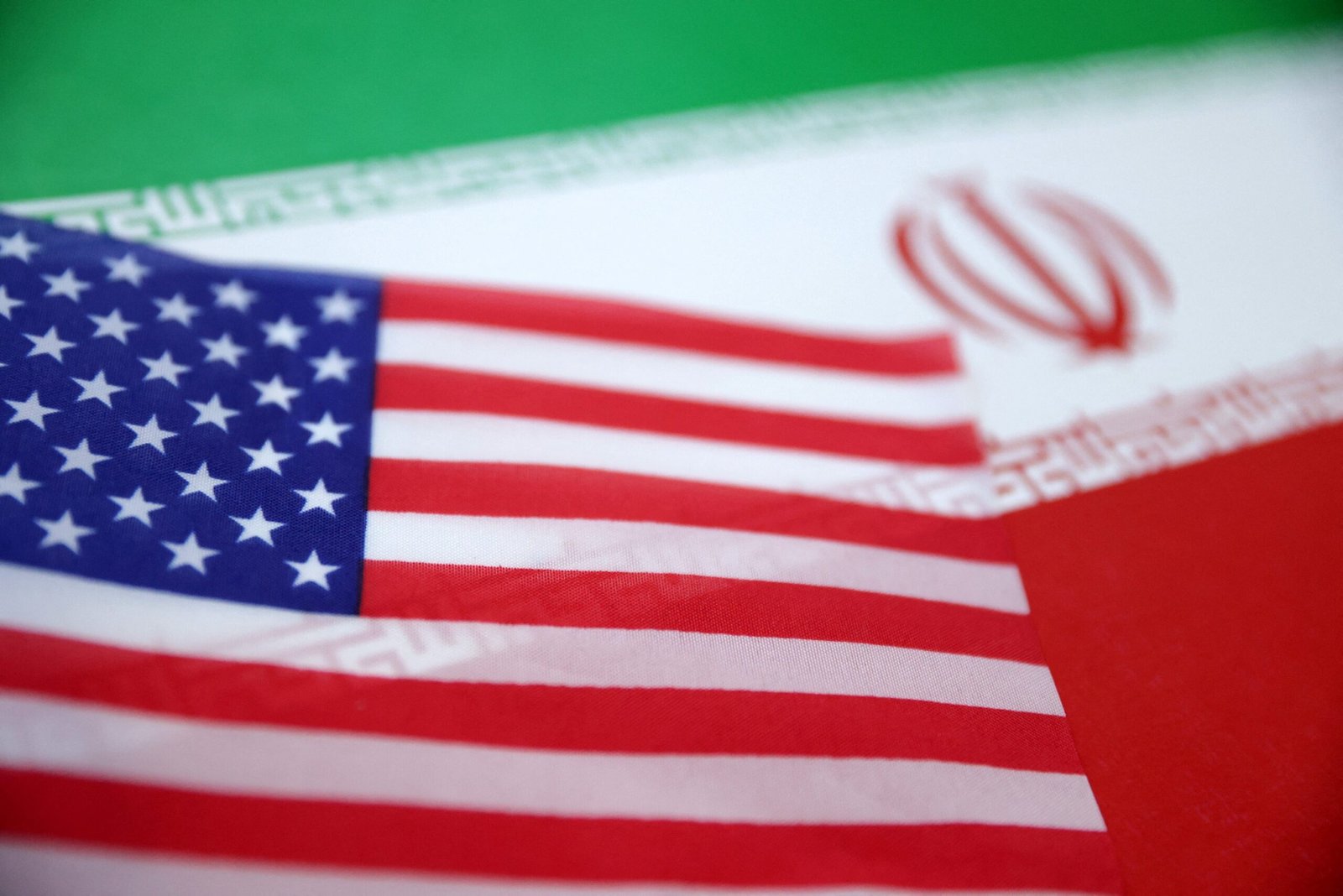
MUSCAT – Iran and the United States concluded the first day of indirect negotiations in the Omani capital today, February 6, 2026. Iranian Foreign Minister Abbas Araghchi described the sessions as a “good start,” though substantial hurdles remain as both nations attempt to de-escalate following a year of severe military and political tension.
Key Negotiation Details
-
The Mediators: The talks are being facilitated by Omani Foreign Minister Sayyid Badr Albusaidi, who is conducting “shuttle diplomacy” between the two delegations.
-
The US Team: Led by Middle East envoy Steve Witkoff and Jared Kushner, signifying the White House’s high-level commitment to these specific discussions.
-
The Scope: Iran insists the talks are “strictly nuclear.” However, the US continues to press for a broader agenda including Iran’s ballistic missile program and regional militia support—topics Tehran has labeled “red lines.”
Market and Security Impact
The diplomatic opening immediately impacted global markets and regional security postures:
-
Oil Prices: Brent crude fell below $67 per barrel following the positive “good start” comments, as fears of an immediate Middle East war eased.
-
Military Presence: The talks are taking place under the shadow of a massive US naval buildup, including the USS Abraham Lincoln carrier strike group, which President Trump has signaled he is willing to use if diplomacy fails.
-
Shipping: Despite the talks, tensions remain high in the Strait of Hormuz, where Iran reportedly seized two small fuel-smuggling tankers just 24 hours prior.
Atmosphere of Mistrust
Araghchi noted that while the atmosphere was constructive, the “mistrust” following the June 2025 conflict (during which US and Israeli forces struck Iranian nuclear sites) remains a primary obstacle.
“We first have to overcome this mistrust and define a framework for negotiations… but the continuation depends on consultations in the capitals.” — Abbas Araghchi, Iranian Foreign Minister