



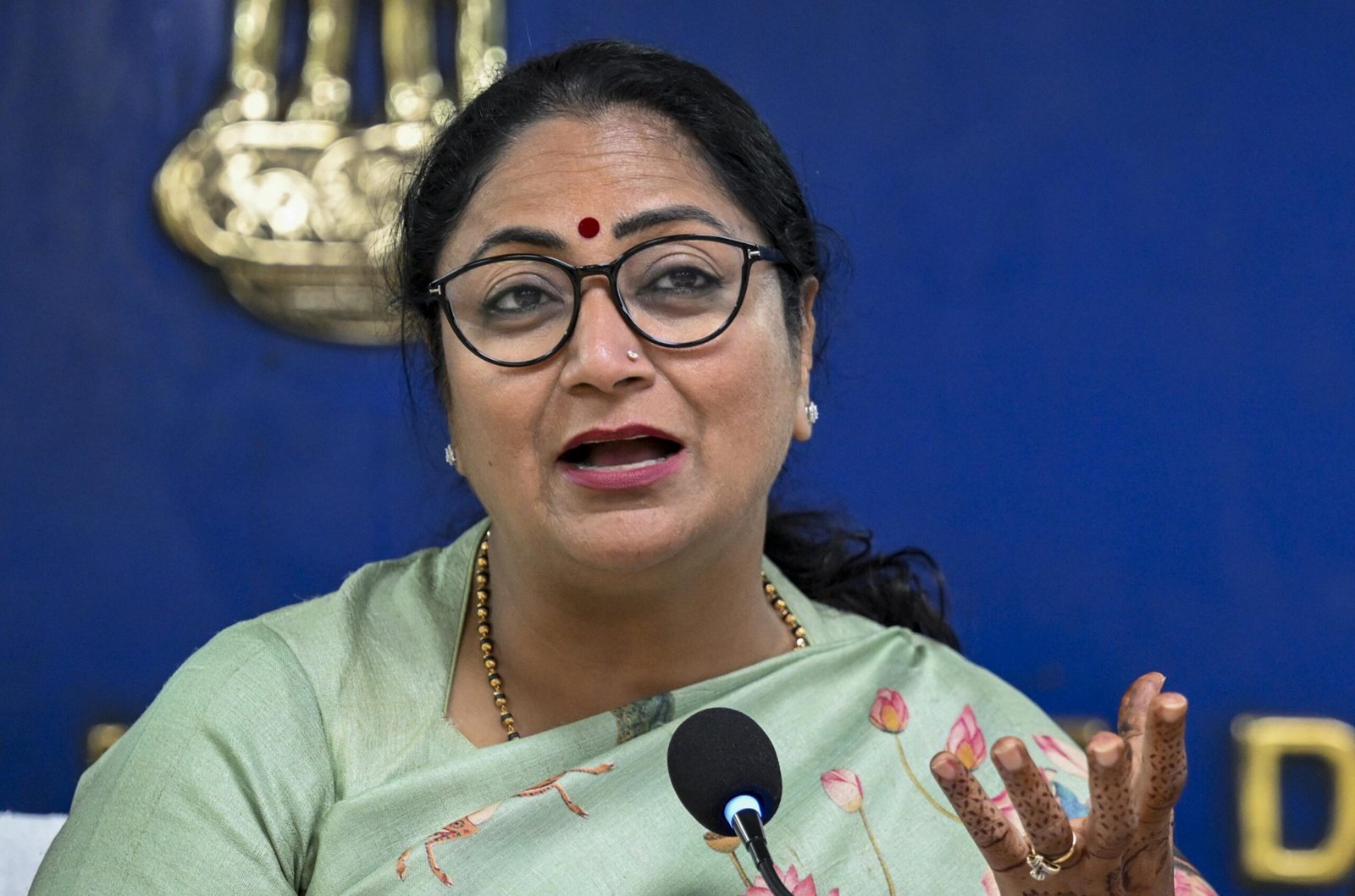
NEW DELHI – In a decisive move to tackle the capital’s persistent air quality crisis, Chief Minister Rekha Gupta has issued a directive to strictly enforce the ‘No PUC, No Fuel’ rule across the city.
The policy, which mandates that petrol pumps and gas outlets deny fuel to vehicles lacking a valid Pollution Under Control (PUC) certificate, is being revived with renewed rigor to ensure total compliance.
Zero Tolerance for High-Emission Vehicles
While the initiative was originally introduced last December, the Chief Minister noted that a significant volume of vehicles continues to ply Delhi’s roads without updated certification.
“Tackling air pollution requires firm and effective interventions. This decision is a crucial step in that direction,” CM Gupta stated during the Wednesday briefing.
The Enforcement Strategy
To ensure the directive isn’t just a paper tiger, the Delhi government has mobilized a multi-departmental task force:
-
Agencies Involved: The Transport Department, Delhi Traffic Police, the Food and Supplies Department, and the Municipal Corporation of Delhi (MCD).
-
Petrol Pump Compliance: Outlets have been ordered to verify certificates before dispensing fuel.
-
Strict Penalties: Violators face the risk of vehicle seizure and the imposition of maximum statutory fines.
Fixing Accountability
The Chief Minister emphasized that the burden of success lies with the enforcing agencies. Officials have been warned that any negligence or “lapses” in monitoring fuel stations will result in strict disciplinary action.
“Accountability has been clearly fixed across all concerned agencies to ensure zero tolerance in implementation,” she added.
The Bigger Picture: Cleaning Delhi’s Air
The re-enforcement of this rule comes as part of a broader strategy to improve the city’s air quality index (AQI). By cutting off the supply line for non-compliant vehicles, the administration aims to force vehicle owners to maintain their engines, thereby reducing the “significant aggravation” of pollution levels caused by poorly maintained transport.
As of April 22, 2026, the Delhi government remains committed to creating a “clean and healthy environment” through these sustained, high-pressure interventions.