



JERUSALEM — The Israeli government has strongly rejected a prominent US media report claiming that American intelligence and diplomatic officials feared Israel was plotting to assassinate top Iranian negotiators during ongoing peace talks. The Prime Minister’s Office (PMO) issued an official statement dismissing the allegations as a total distortion of current diplomatic tracks.
“As usual, The New York Times’ latest story about Israel and the Iranian negotiators is fake news. A complete fabrication of reality.” — Office of the Prime Minister of Israel
The Intelligence Claims
According to the report published by The New York Times, current and former US officials allegedly feared that Israel might execute targeted strikes against two of Iran’s most senior political figures:
-
Abbas Araghchi: Iranian Foreign Minister.
-
Mohammad Bagher Ghalibaf: Speaker of the Iranian Parliament.
Both leaders have been central figures in diplomatic maneuvers to secure a ceasefire and establish a broader peace framework. The report indicated that Washington’s anxieties intensified as negotiations gained serious momentum in April, leading US diplomats to reportedly request regional allies to warn Tehran about potential security risks to its delegation.
The Context: A Delicate Diplomatic Balance
The underlying friction stems from a highly volatile conflict that erupted earlier this year on February 28, following a major Israeli airstrike that killed Iran’s Supreme Leader, Ayatollah Ali Khamenei. While that initial operation reportedly utilized US intelligence inputs, Washington’s stance shifted significantly once active diplomatic backchannels opened.
US officials argued that while top Iranian leaders were viewed by Jerusalem as legitimate targets during the height of active hostilities, targeting active negotiators would completely derail the diplomatic process and trigger an uncontrollable regional escalation.
Strains in the US-Israel Alliance
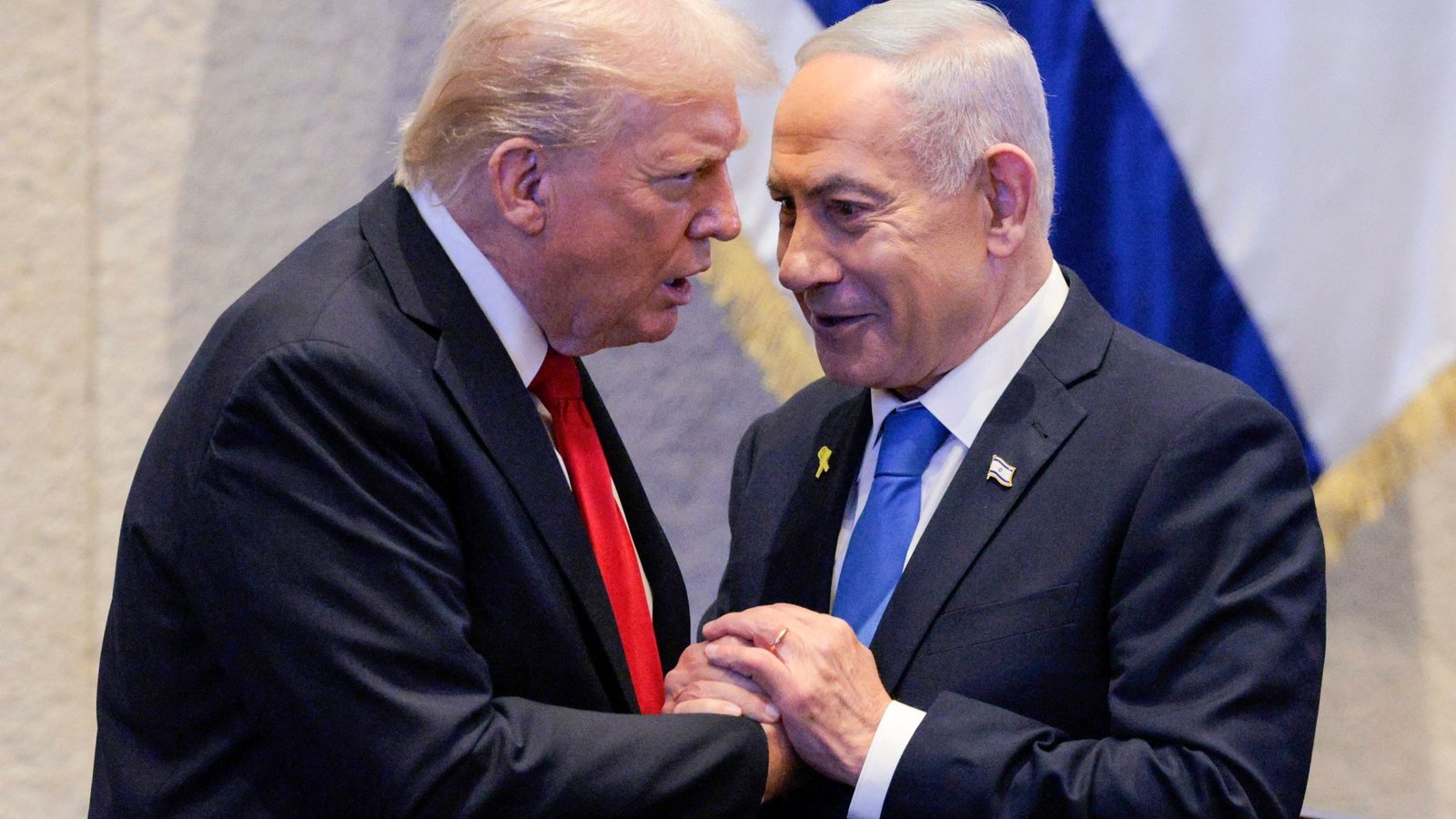
The leak of these American concerns underscores growing strategic friction between Israel and its closest global ally. US President Donald Trump has recently stepped up public criticism of Israeli Prime Minister Benjamin Netanyahu.
The White House has expressed frustration that Israel’s intense military campaign against Hezbollah in Lebanon risks upending the delicate, US-brokered peace talks with Tehran, exposing a rare tactical rift between the two leaderships over the final resolution of the conflict.