



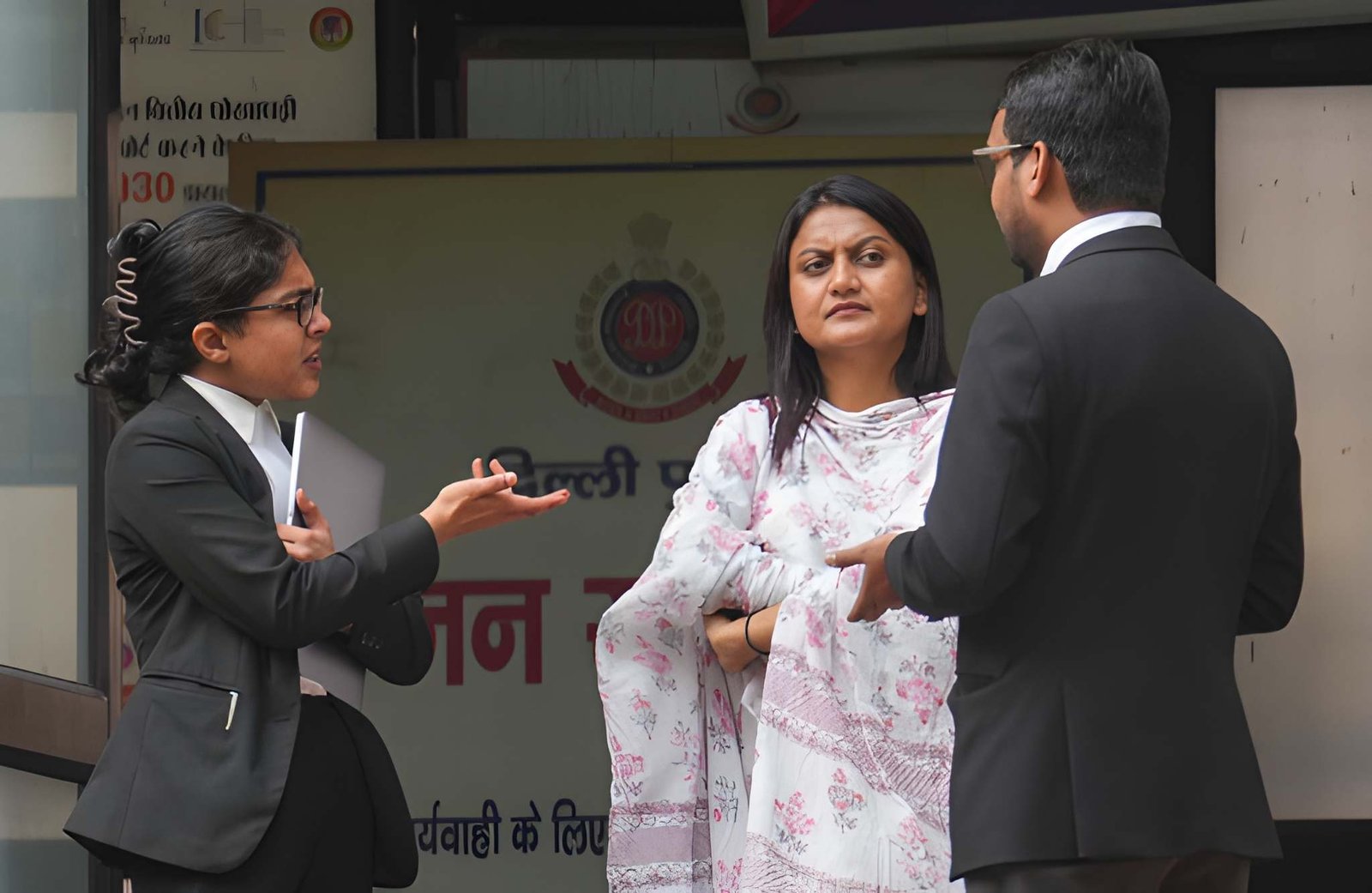
NEW DELHI — In a major legal development, the Delhi government’s Additional Standing Counsel has authorized criminal contempt proceedings against Ratna Singh, legal affairs head of the Cockroach Janata Party (CJP), over public remarks targeting a Chief Judicial Magistrate at the Saket District Courts.
The sanction was granted under the Contempt of Courts Act, 1971, following a petition filed by a practicing advocate requesting statutory action against the political official for undermining the dignity of the bench.
Origin of Controversy and Judicial Boundaries
The legal action stems from judicial hearings following Singh’s police detention during a party protest on October 10:
-
Controversial Public Statements: After the court issued orders regarding her detention challenge, Singh posted public statements alleging that the presiding magistrate was “serving the master” and “following orders from a master.”
-
Fair Criticism Versus Defamatory Imputation: Granting approval for prosecution, the state law officer drew a clear distinction between challenging the legal merits of an order and making personal imputations against a judge.
-
Erosion of Public Trust: The counsel noted that asserting a judicial officer acted under external directives rather than independent legal discretion damages the integrity of the judicial process and diminishes public confidence in the legal system.
Scope and Exceptions of the Contempt Mandate
The official authorization explicitly outlines which public statements fall under statutory criminal contempt:
-
Direct Attacks on the Judiciary: Allegations claiming judicial officers act on external commands were found prima facie contemptuous, as they attack the independence of the bench without factual backing.
-
Exclusion of Police and Executive Criticism: Remarks directed against the Delhi Police and Special Executive Magistrates handling administrative detentions were excluded from contempt proceedings, as criticism of executive agencies does not meet the statutory bar for criminal contempt of court.