



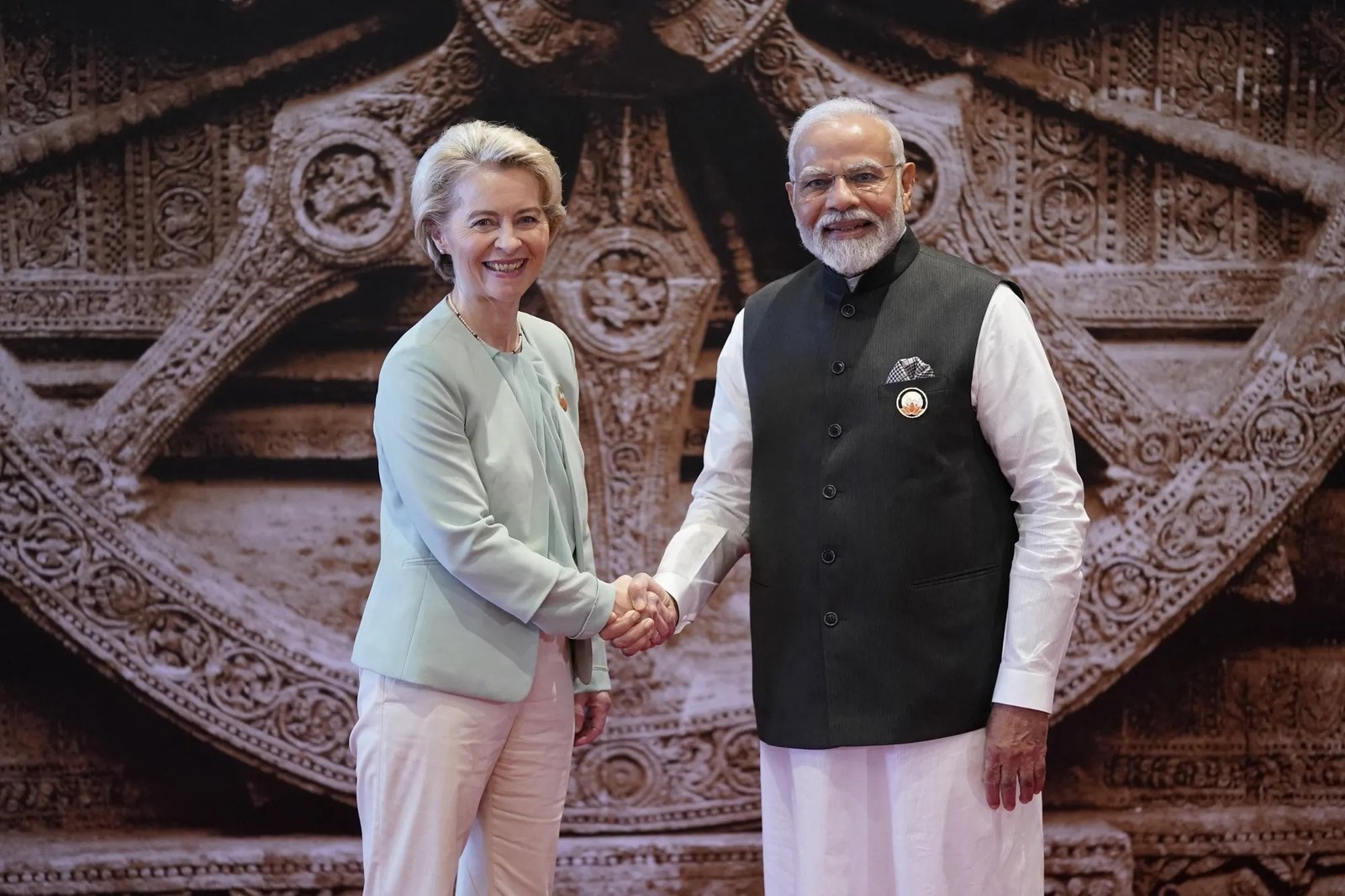
NEW DELHI – In a landmark interview with NDTV on February 5, 2026, Austria’s Ambassador to India, Dr. Robert Zischg, hailed the newly concluded EU-India Free Trade Agreement (FTA) as the “mother of all deals.” Finalized on January 27, 2026, after 18 years of negotiations, the agreement creates the world’s largest free trade zone, impacting nearly two billion people and roughly 25% of global GDP.
Key Highlights from the Envoy
-
A Strategic Pivot: Zischg described the deal as a “decisive pivot” in European thinking, driven by global supply-chain disruptions and a desire to “de-risk” from over-dependence on China.
-
Austrian Interests: * Automobiles: Tariffs on cars—previously as high as 110%—will drop to 10% over five years, a major win for European automakers.
-
Wine & Food: The envoy expressed excitement over slashing India’s 150% wine tariff to as low as 20%, alongside zero-duty access for olive oil and chocolate.
-
-
Diplomatic Movement: He hinted at a high-ranking visit from the Austrian Chancellor to India later this year to follow up on PM Modi’s historic 2024 visit to Vienna.
The Road Ahead: 2026 Implementation
While the political declaration is complete, Zischg noted the “painstaking” road to implementation:
-
Legal Scrubbing: Every word must be verified as it becomes law across 27 nations.
-
Translation: The document must be translated into all 24 official EU languages.
-
Ratification: Approval is required from the European Parliament, EU member states, and the Indian Cabinet.
Geopolitical Context
The deal arrives at a time of friction between India and the US over trade tariffs and the ongoing Russia-Ukraine war. Zischg noted that while Europe respects India’s strategic autonomy, “any reduction of Russian oil imports helps” reduce the revenue financing the conflict.